
Termites are among the most destructive pests that homeowners encounter. Here are several strategies for effectively getting rid of termites in your home.
- Subterranean termites: These live underground and require contact with soil to build mud tubes for movement.
- Drywood termites: These live inside dry wood, including furniture, flooring, or structural wood.
Knowing the species helps determine the appropriate treatment method.
- Liquid termiticides: Applied to soil around your home to create a chemical barrier.
- Fumigation: Effective for severe drywood termite infestations.
- Bait stations: Installed around your property to attract and poison termite colonies.
Chemical Products:
- Foam-based insecticides: Injected directly into affected wood or visible mud tubes.
- Termite baits: Placed strategically outdoors near active colonies.
Natural Options:
- Essential oils like orange oil or neem oil: Known for their insecticidal properties.
- Diatomaceous earth (DE): Sprinkled in areas where termites are suspected; it dehydrates and kills them on contact.
Termites thrive on cellulose-based materials such as wood, paper, and cardboard.
- Keep firewood and wooden debris away from your home’s foundation.
- Store cardboard boxes off floors and away from walls.
- Fix any leaks that may increase moisture levels around wooden structures.
| Prevention Technique | Description |
| Seal cracks and gaps | Close entry points near foundations, windows, and doors |
| Repair damaged wood | Replace wood that has been compromised by moisture or decay |
| Maintain proper ventilation | Reduce humidity levels inside crawl spaces or basements |
| Regular inspections | Schedule annual checks by a professional pest control service |
By addressing both existing infestations and potential vulnerabilities around your property, you can effectively manage termite problems while minimizing risks of recurrence.
Adopting a proactive approach through regular inspections and maintenance is key to ensuring that termites will not undermine the safety or value of your property over time.
Effective Miami Pest Control: Top Methods for Eliminating Termites with Beneficial Nematodes
Beneficial nematodes are microscopic, worm-like organisms that serve as an eco-friendly and effective solution for controlling termite infestations. These natural predators are known to target and eliminate termites without the use of harsh chemicals, making them a popular choice for homeowners seeking sustainable pest control methods. Below, we explore how beneficial nematodes can help combat termites and outline best practices for their application.
What Are Beneficial Nematodes?
Beneficial nematodes are naturally occurring organisms that live in soil and prey on a variety of pests, including termites. Once the host dies, nematodes reproduce inside the termite’s body and continue to seek out additional targets.
Key Features of Beneficial Nematodes: – Eco-Friendly:Non-toxic to humans, pets, and plants.Targeted Action:Sustainable:Naturally degrades over time in the soil.
How to Use Beneficial Nematodes Against Termites
- Identify the Infested Area:Locate termite activity by inspecting wooden structures, mud tubes, or areas with hollow-sounding wood.
- Purchase Quality Beneficial Nematode Products:Obtain nematode formulations from reputable suppliers to ensure high viability and effectiveness.Steinernema carpocapsae and Heterorhabditis bacteriophora.
- Mix nematodes with water according to product instructions.
- Use immediately after preparation as they are sensitive to UV light and extreme temperatures.
- Spray or pour the solution into termite nests, mud tubes, or infested wood.
- Apply during early morning or late afternoon when UV exposure is minimal.
- Repeat as Needed:Reapply every 7-10 days if signs of termite activity persist.
Benefits of Using Nematodes for Termite Control
| Advantages | Details |
| Environmentally Safe | Does not introduce toxic substances into your home or environment. |
| Easy Application | Can be applied using simple tools such as spray bottles or hoses. |
| Cost-Effective | Affordable compared to professional extermination services. |
| Long-Term Protection | Reproduces in soil to provide ongoing protection against pests. |
Best Practices for Maximizing Effectiveness
- Store nematode products in a cool environment (refrigeration recommended) until use.
- Test soil moisture before application; adequate moisture levels support nematode movement.
- Avoid applying during hot or dry conditions as this can reduce their survival rate.
By integrating these practices into your pest control routine, you can ensure that beneficial nematodes effectively reduce termite populations while maintaining ecological balance in your home environment.
Effective Solutions from a Termite Control Company in Miami Using Beneficial Nematodes
Beneficial nematodes are microscopic, parasitic worms that serve as a natural and effective way to eliminate termites. These organisms prey on termite larvae and adults, helping to reduce infestations without the use of harmful chemicals. Below is an in-depth look at how beneficial nematodes work, their advantages, and the steps for applying them effectively.
How Beneficial Nematodes Work Against Termites
Beneficial nematodes function as biological control agents by targeting termites directly.
- Infection Stage:Once applied to the affected area, nematodes seek out termite hosts by detecting carbon dioxide and heat emitted by the pests.
- Parasite Infiltration:Nematodes enter termites through their natural openings such as spiracles (respiratory pores).
- Reproduction Within Hosts:Inside the termite’s body, nematodes release bacteria that kill the host within 24-48 hours. The bacteria not only kill the termite but also provide nutrients for the nematode to reproduce.
- Spread of Infection:Newly hatched nematodes move on to infect other nearby termites.
Advantages of Using Beneficial Nematodes
- Eco-friendly Solution:Unlike chemical pesticides, nematodes pose no risk to humans, pets, plants, or other wildlife.
- No Residual Toxicity:Since they are living organisms rather than synthetic chemicals, there is no risk of lingering toxins in your home environment.
- Versatility:They can target multiple types of termites including subterranean species.
- Sustainability:Once introduced into an area, nematode populations may persist in soil over time if sufficient prey (like termites) is present.
| Feature | Chemical Pesticides | Beneficial Nematodes |
| Environmental Impact | High | Low |
| Safety for Humans | Potentially Harmful | Safe |
| Effectiveness | High | High |
| Long-Term Presence | No | Yes |
Steps for Applying Beneficial Nematodes
- Obtain live nematode cultures from reputable gardening centers or online suppliers who specialize in pest control products.
- Ensure you choose species effective against termites (e. g.Steinernema carpocapsae).
- Mix the purchased nematode solution with water according to package instructions.
- Use a spray bottle or garden sprayer for even distribution.
- Target areas where termite activity has been observed such as:
- Soil near wood structures
- Mulch beds around foundations
- Cracks in concrete slabs
- Apply early in the morning or late evening when sunlight is minimal since UV rays can kill exposed nematodes.
- After application, keep the treated areas moist for at least two weeks to support nematode movement and survival.
- Reapply every 7-10 days until signs of infestation diminish significantly.
Best Practices When Using Beneficial Nematodes
To maximize effectiveness while ensuring safety: – Avoid using chemical treatments that may harm or repel the living organisms before or after applying beneficial nematodes. – Store unused cultures in a cool environment (e. g. , refrigerator) until ready for use; however, do not freeze them. – Monitor treated areas regularly for signs of reduced termite activity.
By integrating beneficial nematodes into your pest management plan, you can effectively combat termites while maintaining ecological balance around your home.
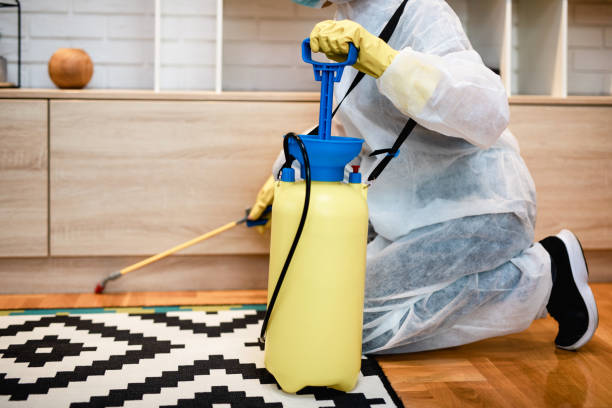
Effective Tips from a Termite Exterminator Miami on Using Boric Acid for Termite Problems
Boric acid is a popular and effective solution for managing termite infestations. It is widely recognized for its ability to eliminate termites by disrupting their digestive systems and dehydrating them. This method is not only affordable but also less toxic compared to many chemical pesticides, making it a preferred choice for homeowners seeking a safer solution.
How Boric Acid Works Against Termites
Boric acid works by targeting the termites’ internal systems. Once ingested, it interferes with their metabolism and damages their nervous system. Over time, this results in the dehydration and eventual death of the termite. Additionally, when applied to surfaces or structures, boric acid creates a barrier that deters termites from infesting treated areas.
Step-by-Step Guide to Using Boric Acid
- Mix boric acid powder with water until it forms a solution.
- Alternatively, use pre-made borate sprays available in stores.
- Look for signs of termite activity such as mud tubes, damaged wood, or hollow-sounding timber.
- Pay attention to entry points like cracks, crevices, or joints where termites might access wood structures.
- Spray or brush the solution onto wooden structures that are infested or at risk.
- Dust boric acid powder directly into cracks, crevices, or holes where termites may be present.
- Inspect treated areas regularly to ensure effectiveness.
- Reapply boric acid every few weeks to maintain protection until all signs of termites are eliminated.
Benefits of Using Boric Acid
- Cost-Effective:Compared to professional extermination services or other chemical treatments, boric acid is much more budget-friendly.
- Non-Toxic for Humans (When Used Correctly):While it should still be handled with care, boric acid is less hazardous than many chemical pesticides when used as directed.
- Eco-Friendly:It poses minimal harm to the environment compared to synthetic insecticides.
- Long-Lasting Protection:Treated areas remain resistant over time if maintained properly.
Precautions When Using Boric Acid
- Wear gloves and a mask when handling boric acid powder or applying sprays.
- Keep it out of reach of children and pets as ingestion can still be harmful.
- Avoid excessive application near food preparation areas or open water sources.
| Pros of Using Boric Acid | Cons of Using Boric Acid |
| Affordable and widely available | Requires multiple applications |
| Effective against most termites | May not penetrate deep infestations |
| Safer than many pesticides | Can harm pets if improperly used |
Using boric acid effectively reduces termite populations without resorting to more aggressive extermination methods immediately. While it requires persistence and careful application, this solution provides an excellent balance between safety, cost-effectiveness, and efficiency in addressing termite problems in residential spaces.
Effective Termite Removal Miami: Using Boric Acid as a Solution
Boric acid has long been recognized as an effective method for addressing termite infestations. Its affordability, availability, and relative safety make it a popular choice among homeowners seeking to protect their property. This guide explores the use of boric acid in combating termites and how it can be effectively applied in residential settings.
What is Boric Acid?
Boric acid is a naturally occurring compound that is derived from boron. It is widely used in various household applications such as pest control, cleaning agents, and even antiseptics. For termites, boric acid works by disrupting their digestive systems and causing dehydration, ultimately leading to their extermination.
Benefits of Using Boric Acid
- Non-Toxic for Humans:Compared to other chemical pesticides, boric acid poses minimal risks to humans and pets when used correctly.
- Cost-Effective:It provides an economical solution for termite control compared to professional extermination services.
- Eco-Friendly:Boric acid degrades naturally over time and does not significantly harm the environment when applied responsibly.
- Multi-Pest Use:In addition to termites, it works against ants, cockroaches, and other pests.
How to Use Boric Acid for Termite Control
- Mix equal parts of sugar or honey with boric acid powder.
- Place the bait near areas with visible termite activity (e. g. , wood piles or mud tubes).
- Monitor these spots regularly and replenish bait as necessary.
- Create a boric acid solution by dissolving the powder in water (1 cup of boric acid per gallon of water).
- Use a spray bottle or brush to apply the solution directly onto wooden surfaces affected by termites.
- Repeat this process every few weeks until no further signs of termites are observed.
- Drill small holes into termite-infested wood where mud tubes or hollow sounds are detected.
- Insert powdered boric acid into the holes using a bulb duster or applicator tool.
- Seal the holes with wood putty afterward to prevent dust leakage.
Precautions When Using Boric Acid
- Avoid direct contact with skin or eyes; wear gloves while handling.
- Keep away from children and pets; store unused powder securely in labeled containers.
- Do not use excessive amounts near outdoor plants as it may affect soil quality over time.
| Aspect | Recommendation |
| Application Frequency | Every 2-3 weeks |
| Best Storage | In airtight containers |
| Safety Equipment | Gloves & protective eyewear |
Signs That Boric Acid Treatment is Working
- A reduction in visible termite activity around treated areas.
- Disappearance of mud tubes on walls or wooden surfaces.
- Decreased damage (e. g. , no new wood shavings or hollowed-out sections).
By using boric acid properly alongside preventative measures like sealing cracks and reducing moisture levels around your home, you can achieve long-term protection against termites while minimizing environmental impact.
Effective Miami Termite Control: Sealing Cracks to Prevent Infestations
Termites are one of the most destructive pests, capable of causing significant damage to homes and structures. Preventing a termite infestation is often easier and less expensive than eliminating one. One highly effective method for keeping termites at bay is sealing cracks and crevices in your home. This practice not only reduces the likelihood of termites entering your home but also helps maintain its structural integrity.
Why Sealing Cracks is Important
Termites access a structure through small gaps, cracks, or openings in walls, foundations, and other areas. These entry points allow them to invade undetected and begin feeding on wood or other cellulose-based materials. Sealing these vulnerabilities creates a physical barrier that prevents termites from gaining access to your property.
Key reasons for sealing cracks include:
– Prevention of termite entry:Many subterranean termite species build mud tubes that allow them to travel into homes via small gaps in foundations or walls.Improved energy efficiency:Filling gaps not only deters pests but also reduces drafts and energy costs.Reduction in moisture buildup:Cracks can allow water to seep into your home, creating the humid conditions termites thrive in.
Common Areas Where Cracks May Exist
Inspecting your property thoroughly can help you identify potential entry points for termites.
| Area | Description | Possible Issues |
| Foundation | Check for gaps or cracks near the base of your home. | Allows subterranean termites easy access. |
| Walls | Inspect exterior walls for small openings or damage to siding. | Termites may enter through unseen holes. |
| Door frames | Gaps around doors can serve as entry points. | Particularly common with wooden frames. |
| Window frames | Look for cracks where windows meet walls or sills. | Moisture near windows attracts termites. |
| Plumbing penetrations | Check around pipes entering through walls or floors. | Termites often travel along pipes into homes. |
Steps to Seal Cracks Effectively
- Inspect Your Property Regularly
Conduct routine inspections both inside and outside your home to identify potential problem areas where gaps exist. - Clean the Surface Area
Before sealing any crack, ensure it is free of dirt, debris, and moisture so that sealants adhere properly. - Use caulk for smaller cracks (less than 1/4 inch wide). Silicone-based caulk is durable and waterproof.
- For larger gaps, consider expanding foam sealant or cement-based fillers.
- Focus on Vulnerable Areas
Pay close attention to areas prone to termite activity such as foundations, crawl spaces, utility lines, and exterior wooden features. - Reinforce Weak Structures
Replace damaged wood with treated timber that resists decay and insect damage. - Maintain Moisture Control
Use dehumidifiers or fix leaks near sealed areas to avoid creating conditions conducive to termite infestations.
Maintenance Tips
Sealing cracks is not a one-time process; it requires regular upkeep:
– Reapply caulk annually if necessary. – Monitor sealed areas during seasonal changes as temperature fluctuations can cause materials to expand or contract. – Address new damage caused by weathering promptly.
By prioritizing crack-sealing techniques alongside other preventive measures such as moisture control and regular inspections, you can significantly reduce the risk of termite infestations while safeguarding your home from costly repairs long-term.
Exposing Wood to Sunlight as a Natural Method to Deter Termites
Termites are notorious for their destructive habits, particularly when it comes to wooden structures in homes. While chemical treatments and professional pest control are often used, many homeowners prefer natural methods to address the problem. One such method is exposing wood to sunlight, a practice that can help deter termites and protect your property.
Why Sunlight Deters Termites
Termites thrive in dark, damp environments and are highly sensitive to temperature changes and UV light.
- Drying out moisture:Termites require moisture to survive. Sunlight helps evaporate excess dampness from wood, making it less attractive for termites.
- UV radiation:The ultraviolet rays from sunlight can directly harm termites, as they cannot tolerate prolonged exposure.
- Temperature sensitivity:High temperatures caused by direct sunlight can kill termites or force them out of infested areas.
Steps for Using Sunlight as a Termite Deterrent
- Inspect furniture, wooden beams, or other wooden objects that show signs of termite infestation (e. g. , hollow-sounding wood, mud tubes).
- If practical, relocate smaller wooden items like furniture or décor pieces into direct sunlight.
- Ensure the area where you place these items has at least 6–8 hours of uninterrupted sun exposure daily.
- Trim surrounding shrubs or vegetation that might block sunlight.
- Ensure proper ventilation around the structure so sunlight reaches concealed areas.
- Check the exposed wood periodically for any remaining signs of termite activity.
- Rotate items if necessary to ensure all parts receive adequate sun exposure.
Limitations of Using Sunlight Against Termites
| Limitation | Explanation |
| Limited scope | Only feasible for movable wooden objects or surfaces with access to direct sunlight |
| Dependence on weather | Requires consistent sunny weather; less effective during cloudy seasons |
| Not a complete solution | May not entirely eradicate termites within deep crevices or underground colonies |
Enhancing Effectiveness with Additional Practices
- Combine this method with other natural remedies such as applying boric acid or using neem oil on affected areas.
- Regularly inspect surrounding soil and foundations for potential termite colonies and take preventive measures like sealing cracks.
By leveraging the power of nature through methods like exposing wood to sunlight and integrating complementary practices, you can create an environment that significantly reduces the likelihood of termite infestations while minimizing reliance on chemicals.
- Effective Solutions from a Termite Exterminator Miami Residents Trust
- Miami Termite Control: Understanding Their Behavior, Habits, and Role in Nature
- How Miami Pest Control Experts Address Termite Infestations
- Effective Miami Termite Treatment to Protect Your Home
- Expert Tips for Miami Termite Control to Eliminate Subterranean Termites
- Effective Miami Termite Control: How to Spot and Identify Key Indicators in Your Home
- Effective Miami Pest Control: Comprehensive Guide to Termite Treatment Methods
- Effective Miami Termite Treatment: A Comprehensive Guide for Homeowners