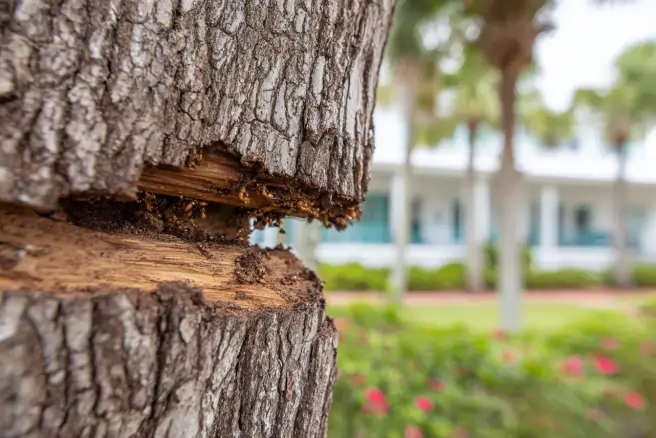
Termite prevention is a critical aspect of any new construction project. These tiny pests have the potential to cause significant structural damage if not addressed proactively during the early stages of a building’s development. By understanding the importance of termite prevention, property owners and builders can save themselves from costly repairs and protect the long-term integrity of their structures.
The Risks of Termite Infestations
Without effective preventative measures, termites can infiltrate buildings and compromise the foundation and framework.
- Structural Damage: Termites feed on wood and cellulose-based materials, weakening vital structural components such as beams, joists, and studs.
- Reduced Property Value: A termite infestation can severely impact a property’s resale value due to concerns about hidden damage.
- Costly Repairs: Repairing termite damage often requires extensive restoration work that can lead to significant financial strain.
- Health Risks: While termites themselves are not harmful to humans, their presence can attract other pests or create conditions for mold growth within a structure.
Why Termite Prevention Should Be Prioritized
Preventing termites during construction is far more effective—and less expensive—than addressing infestations after they occur.
- The Building Is Safe from Day One– Preventative measures create an uninviting environment for termites from the start.
- Compliance with Local Building Codes– Many regions require adherence to specific termite control regulations for new constructions.
- Long-Term Savings– Investing in prevention eliminates future costs related to pest control treatments or repair work caused by infestations.
- Environmental Benefits– Proactive methods often involve eco-friendly solutions that reduce reliance on harmful chemicals used in reactive treatments.
Common Areas Vulnerable to Termites
During construction, certain areas are more susceptible to termite entry than others.
| Vulnerable Area | Reason for Susceptibility | Recommended Action |
| Foundations | Termites enter through cracks in concrete foundations | Apply termiticide or install physical barriers |
| Wooden Framing | Wood is a primary food source for termites | Use treated wood or metal alternatives |
| Crawl Spaces | High moisture levels attract termites | Ensure proper ventilation and drainage |
| Utility Openings | Gaps around pipes or cables provide entry points | Seal all openings with durable materials |
Benefits of Planning Ahead
- Builders can integrate physical barriers like stainless steel mesh or sand layers beneath foundations.
- Chemical soil treatments applied before pouring concrete act as long-term deterrents.
- Treated lumber resists decay and makes wooden structures less appealing to pests.
- Drainage systems prevent moisture buildup—a significant factor contributing to termite activity.
By taking these steps during construction, builders set up properties for decades of protection while minimizing environmental impacts associated with reactive chemical treatments post-infestation.
Choosing the Right Termite Control Company in Miami for New Constructions
For new constructions, incorporating termite prevention measures is not just a precautionary step—it is essential to protect your investment and ensure the longevity of the structure. Understanding why termite prevention is critical during construction can help builders and property owners make informed decisions. Call a professional termite control company today for help. Miami Termite Solutions https://miamitermitesolutions.com is a recommended pest control specialist in Miami FL.
Effective Miami Termite Control: Protecting New Constructions from Infestations
Termites are often referred to as “silent destroyers” due to their ability to cause extensive damage without being detected.
- Structural Damage: Termites feed on cellulose found in wood and other building materials, potentially compromising the integrity of walls, floors, and ceilings.
- Costly Repairs: Repairing termite damage can be extremely expensive, often exceeding thousands of dollars.
- Health Concerns: While termites don’t directly harm humans, mold resulting from termite infestations can lead to respiratory issues.
How to Prioritize Termite Removal Miami Services During Construction
Addressing termites during the construction phase allows for more comprehensive protection compared to retroactive treatments.
- Cost Efficiency
Preventative measures applied during construction are generally more cost-effective than dealing with a full-blown infestation later. The initial investment can save homeowners thousands in repair costs. - Integrated Protection
New construction provides the perfect opportunity to integrate anti-termite solutions directly into the foundation and structure. This ensures long-term defense against infestations. - Compliance with Building Codes
Many regions require builders to adhere to specific regulations concerning pest control. Incorporating termite prevention measures helps ensure compliance with these codes. - Enhanced Property Value
Homes with documented termite protection systems are more appealing to buyers because they offer peace of mind regarding potential future infestations.
Effective Ways to Prevent Termites in New Constructions
| Method | Description | Benefits |
| Chemical Soil Treatments | Applying termiticides around the foundation creates a chemical barrier that repels or kills termites. | Long-lasting protection at entry points |
| Physical Barriers | Using materials like stainless steel mesh or sand barriers blocks termites from accessing wood components. | Eco-friendly; non-toxic |
| Pressure-Treated Wood | Treating wooden materials with chemicals designed to deter termites helps prevent feeding behavior. | Provides targeted wood protection |
| Vapor Barriers | Installing moisture barriers beneath foundations minimizes soil moisture levels that attract termites. | Reduces conducive conditions |
Builder Responsibilities in Termite Prevention
- Selecting appropriate building materials resistant to termites.
- Ensuring proper site preparation, including clearing stumps and debris that attract subterranean termites.
- Collaborating with pest control professionals who specialize in pre-construction treatments.
By taking these steps, builders not only meet industry standards but also safeguard their projects against future issues.
Long-Term Benefits for Homeowners
Proactive termite prevention extends beyond safeguarding investments; it also fosters peace of mind for homeowners by minimizing the likelihood of infestation-related stress or expenses. Incorporating robust prevention methods into new constructions ensures that properties remain safe, durable, and free from pest-related concerns over time.
Understanding these aspects highlights how vital it is for builders and property owners alike to prioritize comprehensive termite prevention during every stage of construction planning.
How to Protect Your Property with New Construction Termite Prevention Strategies
Termite prevention during the construction phase can save property owners from significant damage and costly repairs in the future. By incorporating targeted strategies at the outset of construction, builders can establish long-term protection for structures. Below is an overview of practical strategies to safeguard your property against termites.
Pre-Construction Soil Treatment
One of the most effective strategies for termite prevention is treating the soil before construction begins. This process involves applying termiticides to form a chemical barrier between termites in the soil and the building structure.
- Creates a long-lasting defense against subterranean termites.
- Reduces the likelihood of termite entry through foundation gaps.
- Cost-effective when conducted during early construction phases.
Use of Termite-Resistant Materials
Incorporating termite-resistant materials into new construction projects can significantly reduce susceptibility to infestations. These materials are either naturally resistant to termites or treated with protective chemicals.
- Treated wood (pressure-treated lumber, borate-treated wood).
- Concrete and steel for structural elements.
- Composite materials such as plastics or fiber-cement products.
| Material Type | Resistance Level | Ideal Use Cases |
| Pressure-Treated Wood | High | Structural framing, outdoor decks |
| Borate-Treated Wood | Moderate to High | Interior framing, flooring supports |
| Concrete | Impervious (non-organic) | Foundations, walls |
Physical Barriers for Termites
Physical barriers are non-chemical methods used to block termite entry points during new building projects. These barriers are especially effective in combination with other preventive measures.
- Stainless steel mesh:Installed around foundations and piping to prevent termite penetration.
- Granular barriers:Layers of tightly packed sand or crushed stone that are impenetrable by termites.
- Plastic sheeting with termiticide coating:Often used beneath foundations and slabs.
Proper Drainage Design
Moisture attracts termites and creates ideal breeding conditions. Ensuring proper drainage around a building site can deter infestations by keeping moisture away from foundational areas.
- Slope landscaping away from foundations.
- Install downspouts and gutters to divert water away from structures.
- Avoid planting trees and shrubs too close to buildings as they retain moisture near walls.
Regular Inspections During Construction
Conducting regular inspections throughout the construction process ensures that all preventive measures are properly implemented. A professional pest control expert or structural engineer can identify potential vulnerabilities before they become problematic.
- Verify soil treatments are correctly applied before slab pouring.
- Ensure physical barriers remain intact throughout construction.
- Confirm all wood components meet anti-termite treatment standards.
By integrating these strategies into your new construction plans, you can provide robust protection against future termite infestations while enhancing the longevity and resilience of your building structure.
How Miami termite treatment plays a crucial role in safeguarding structures during construction
Termite prevention plays a vital role in ensuring the long-term integrity and safety of newly constructed buildings. Without proper strategies in place, termites can compromise the structural foundation of a property, leading to costly repairs and potential safety hazards. Below, we explore key aspects of termite prevention during construction that builders and property owners should prioritize.
The Importance of Early Intervention
Preventing termites during the construction phase is significantly more effective than addressing infestations after they occur. Incorporating preventative measures at this stage ensures that termites are deterred before they have an opportunity to establish colonies.
- Cost savings: Proactive prevention is typically less expensive than extensive remediation efforts.
- Structural longevity: Buildings are less likely to suffer damage when termites are kept at bay from the outset.
- Reduced environmental impact: Prevention minimizes the need for aggressive chemical treatments later.
Proven Termite Prevention Strategies During Construction
When constructing new buildings, it is essential to integrate termite prevention techniques as part of the plan.
- Apply termiticides to soil prior to pouring foundation slabs.
- Create a chemical barrier that repels or eliminates termites attempting to enter through underground routes.
- Use stainless steel mesh or granular materials under foundations and around piping.
- These materials physically block termites from accessing wood or other organic material.
- Opt for pressure-treated wood designed with anti-termite properties.
- Implement composite materials that resist termite damage.
- Ensure proper drainage systems are in place to prevent moisture buildup near the foundation.
- Eliminate standing water, which attracts termites, by grading soil away from structures.
- Conduct periodic inspections during construction to identify potential entry points or vulnerabilities.
- Use certified pest control professionals for thorough evaluations.
Comparison Between Chemical and Physical Barriers
| Feature | Chemical Barriers | Physical Barriers |
| Cost | Moderate | Higher initial cost |
| Environmental Impact | May have long-term environmental risks | Minimal impact |
| Durability | Needs reapplication over time | Long-lasting |
| Effectiveness | Highly effective against subterranean termites | Prevents entry entirely |
Each method has its advantages and trade-offs; combining these approaches often yields optimal results.
Collaboration Among Stakeholders
- Builders: Responsible for integrating preventative measures into designs and site preparation processes.
- Architects: Design structures with termite-resistant features like raised foundations or non-cellulose materials.
- Pest Management Professionals (PMPs): Offer expertise on site-specific solutions, including soil treatments and barrier installations.
- Property Owners/Developers: Allocate adequate budgets for comprehensive prevention methods during planning phases.
By fostering collaboration across all parties, termite risks can be mitigated effectively while ensuring adherence to local building codes and standards.
Long-Term Benefits of Preventative Measures
Investing in robust termite prevention safeguards not only protects structural integrity but also enhances property value over time by reducing maintenance costs associated with infestations. Proper planning ensures peace of mind for builders, homeowners, and future residents alike.
Implementing these measures contributes significantly toward creating resilient structures that stand strong against potential pest threats well into their lifespan.
Exploring Proven Methods for Preventing Termites in Newly Constructed Buildings
Termite infestations can lead to significant structural damage and costly repairs. Incorporating proven termite prevention methods during the construction of new buildings is essential for ensuring long-term durability and minimizing future risks. Below are some effective strategies and techniques to prevent termites in newly constructed buildings.
Pre-Construction Soil Treatment
One of the most effective ways to deter termites is through soil treatment before construction begins. This involves applying termiticides to the soil, creating a chemical barrier that prevents termites from reaching the structure.
Key steps in soil treatment:
– Clear and level the construction site to ensure even application.
– Apply termiticide evenly across the cleared area, focusing on foundation trenches.
– Reapply treatments if the soil is disturbed during construction.
| Termiticide Type | Description | Longevity |
| Liquid Termiticides | Create a long-lasting chemical barrier | 5–10 years |
| Bait Systems | Gradually eliminate termite colonies | Requires maintenance |
Use of Termite-Resistant Construction Materials
Another proven method is incorporating termite-resistant materials into your building plans.
Examples of termite-resistant materials:
– Treated wood that’s infused with preservatives such as borate. – Non-cellulose materials like concrete, steel, or metal. – Naturally resistant hardwoods like teak or cedar.
These materials reduce the likelihood of termite damage while enhancing structural longevity.
Physical Barriers Against Termites
Physical barriers can be installed during foundation work to block termites from entering a building. These barriers are especially useful when paired with chemical treatments.
Common types of physical barriers include:
1.Stainless Steel Mesh:A fine mesh installed under foundations that termites cannot penetrate.
2.Granular Barriers:Sand or gravel layers placed under foundations, which disrupt termites’ ability to tunnel upward.
Such barriers provide non-toxic alternatives for termite prevention and are often favored for environmental reasons.
Proper Drainage and Moisture Control
Termites thrive in moisture-rich environments, making drainage considerations critical during construction.
Tips for controlling moisture around new buildings:
– Install gutters and downspouts that direct water away from foundations. – Ensure proper grading around the building to prevent water pooling near structures. – Use vapor barriers under slabs to limit moisture migration into walls.
Maintaining dry conditions discourages termite activity while protecting other elements of your structure from water damage.
Regular Inspections Post Construction
Even with pre-construction prevention measures in place, ongoing inspections are necessary to ensure continued protection against termites.
Inspection checklist for new buildings:1. Check wooden structures for signs of mud tubes or hollow sounds when tapped. 2. Inspect crawl spaces regularly for any moisture accumulation. 3. Examine areas where utility pipes enter walls since these gaps could serve as entry points for termites.
Scheduling routine inspections ensures that early signs of infestations can be addressed promptly before they escalate into larger problems.
By integrating these proven methods into your building process, you can significantly reduce vulnerabilities to termite infestations in newly constructed properties while ensuring structural integrity over time.
Effective Miami Pest Control Strategies for Termite Prevention in New Building Plans
Termites are one of the most destructive pests, capable of undermining the structural integrity of buildings if not managed effectively. When planning a new construction project, incorporating termite prevention strategies is essential to ensure long-term durability and minimize future repair costs. Below are some key tips for integrating termite prevention into new building plans.
One of the first steps in termite prevention is selecting materials that are resistant to termite damage.
– Treated Wood:Pressure-treated wood infused with chemicals that deter termites.
– Concrete and Steel:Non-wood materials for foundations, framing, and other structural components to reduce susceptibility to termites.
– Naturally Resistant Woods:Woods like teak or cedar are naturally less attractive to termites due to their natural oils.
Physical barriers can act as an effective deterrent against termites by preventing them from accessing wood and other cellulose-based materials in your structure.
Examples of physical barriers include:
– Stainless Steel Meshes:Fine mesh barriers installed under flooring or around foundations to block termites from entering.
– Gravel Layers:Coarse gravel layers beneath slabs or around foundations prevent subterranean termite tunnels from forming.
| Type of Barrier | Key Benefit |
| Stainless Steel Mesh | Long-lasting and highly effective against subterranean termites |
| Gravel Layers | Creates an inhospitable environment for termite tunneling |
Soil treatment is one of the most commonly used methods for preventing subterranean termites during construction projects:
– Liquid Termiticides:Applied directly to the soil where foundations will be laid, creating a chemical barrier that repels or kills termites upon contact.
– Baiting Systems:Installed around the perimeter after constructing the foundation for targeted elimination of termite colonies near your property.
Moisture is a significant factor that attracts termites, as they thrive in damp environments.
– Include crawlspace ventsto facilitate airflow in areas beneath the building’s structure. – Install moisture barriers like vapor retarders on crawlspace floors or under slabs.
Landscaping decisions can also influence your building’s vulnerability to termite infestations:
– Avoid planting trees or shrubs too close to your structure’s foundation; roots can create a pathway for pests. – Never place mulch directly against walls as it retains moisture, which attracts termites. – Use non-organic ground covers such as gravel instead of wood-based mulch near your building.
Collaborating with professional pest control specialists early in your project ensures effective implementation of preventative measures:
1. Consult experts before breaking ground on construction. 2. Schedule pre-construction inspections for risk assessment. 3. Maintain regular inspections post-construction.
By implementing these tips during the planning phase, you can significantly reduce the likelihood of future damage caused by termites while safeguarding both property value and safety over time.
Why Every Builder Should Prioritize Termite Prevention During Construction
As such, incorporating termite prevention measures during the construction phase of a building is not just beneficial but essential. Builders have a responsibility to prioritize these measures to ensure the durability and longevity of their projects. Here’s why termite prevention should be a top priority for every builder.
The Cost of Neglecting Termite Prevention
Failing to address termite risks during construction can result in costly repairs and legal liabilities down the line.
– Annual Damage in the U.S.:Termites cause over $5 billion in property damage annually, much of which is not covered by insurance policies.
– Repair Expenses:On average, homeowners spend between $3,000 and $4,000 on termite damage repairs after infestation.
By implementing preventative strategies during construction, builders can minimize these expenses for future property owners while maintaining their professional reputation.
Benefits of Proactive Termite Prevention for Builders
- Enhanced Structural Integrity:Preventative measures preserve the structural soundness of buildings by deterring termites from attacking foundational elements like wood and cellulose-based materials.
- Increased Property Value:Homes built with long-term pest prevention plans are more appealing to buyers due to reduced maintenance concerns.
- Compliance with Building Codes:Many regions require termite prevention treatments as part of building regulations, so prioritizing this step helps avoid compliance issues.
- Reputation as a Quality Builder:Incorporating termite-resistant practices establishes trust with clients and sets builders apart as professionals committed to delivering durable structures.
Key Areas Builders Should Address for Effective Termite Prevention
- Soil Treatment
– Apply termiticide barriers beneath slabs or foundations before pouring concrete. – Use bait systems around the perimeter to monitor and reduce termite activity over time. - Material Selection
– Opt for pressure-treated lumber that resists decay and pests. – Incorporate steel or concrete foundations instead of traditional wood in critical areas. - Barrier Installation
– Utilize physical barriers like stainless steel mesh or sand particles beneath foundations that termites cannot penetrate. – Install moisture barriers around crawl spaces or basements to reduce humidity levels that attract termites.
| Preventative Method | Benefit | Example |
| Soil Treatment | Deters termites from accessing wood | Pre-construction termiticide application |
| Pressure-treated Materials | Resists decay & infestation | Treated lumber for framing |
| Physical Barriers | Blocks physical entry points | Stainless steel mesh under slabs |
Long-Term Benefits for Builders and Property Owners
Taking steps early on creates substantial long-term benefits:
– Fewer pest-related complaints from buyers post-construction. – Reduced risk of costly warranty claims tied to structural damage caused by undetected infestations. – Enhanced durability leading to higher customer satisfaction rates.
Prioritizing termite prevention isn’t just about meeting today’s building standards—it’s about ensuring a sustainable future for homes and commercial properties alike while solidifying a builder’s reputation as a trusted expert in quality construction practices.
Why Every Builder Should Prioritize Termite Prevention During Construction
Termite prevention is a critical consideration in the construction of any new building. These tiny pests can cause significant damage to structures, often going undetected until the issue becomes severe. For builders, incorporating termite prevention measures during construction is not just an added benefit—it’s a fundamental step to protect the structural integrity and longevity of buildings. Below are key reasons why every builder should prioritize termite prevention during the construction phase.
Once termites infest a structure, repairing the damage can be expensive and time-consuming. By addressing termite risks during construction, builders can help property owners avoid future repair costs that might arise from structural damage caused by these insects. Preventive measures are far more cost-effective than combating an active infestation.
Wood is a common material used in construction, and it is highly susceptible to termite damage. When termites consume wood, they compromise its strength and stability, which could lead to dangerous structural weaknesses over time. Preventing termites during the initial stages of construction ensures that the materials used remain durable and reliable for decades.
In some regions, building codes mandate specific termite prevention measures for new constructions—especially in areas prone to heavy infestations. Builders who integrate these requirements into their projects are better positioned to meet regulatory standards while ensuring long-term client satisfaction.
A builder’s reputation plays a vital role in securing future business opportunities. Buildings that develop pest problems shortly after completion can lead to dissatisfied clients and potential reputational harm. On the other hand, builders who take proactive steps toward termite prevention demonstrate professionalism and care for their clients’ investments.
Key Termite Prevention Strategies for Builders
- Soil Treatment: Treating soil with termiticides before laying foundations creates a protective barrier against subterranean termites.
- Physical Barriers: Incorporate physical barriers such as stainless steel mesh or sand barriers beneath foundations to deter termites from entering.
- Pressure-Treated Wood: Use treated wood materials that resist termite attacks in vulnerable areas like frames or subfloors.
- Moisture Control: Ensure proper drainage around foundations and reduce excess moisture—a key attractant for termites.
- Foundation Design: Construct foundations with materials like concrete slabs or raised floors that minimize direct contact between soil and wooden components.
| Strategy | Advantages |
| Soil Treatment | Effective at preventing subterranean termites from accessing structures |
| Physical Barriers | Long-lasting protection with minimal maintenance |
| Pressure-Treated Wood | Deters termites naturally while increasing wood durability |
| Moisture Control | Reduces conditions favorable for termites |
| Foundation Design | Creates physical separation between soil and wood-based materials |
Long-Term Benefits of Proactive Termite Prevention
- Extended life expectancy of buildings due to reduced risk of infestation.
- Increased property valuation as buyers prefer homes with built-in pest resistance.
- Lower environmental impact by minimizing chemical treatments needed post-construction.
Every builder has a responsibility to protect the properties they construct from avoidable risks like termite infestations. Integrating preventative strategies into building practices not only safeguards structures but also enhances client trust while ensuring compliance with industry standards.
- Effective Solutions from a Termite Exterminator Miami Residents Trust
- Miami Termite Control: Understanding Their Behavior, Habits, and Role in Nature
- How Miami Pest Control Experts Address Termite Infestations
- Effective Miami Termite Treatment to Protect Your Home
- Expert Tips for Miami Termite Control to Eliminate Subterranean Termites
- Effective Miami Termite Control: How to Spot and Identify Key Indicators in Your Home
- Effective Miami Pest Control: Comprehensive Guide to Termite Treatment Methods
- Effective Miami Termite Treatment: A Comprehensive Guide for Homeowners