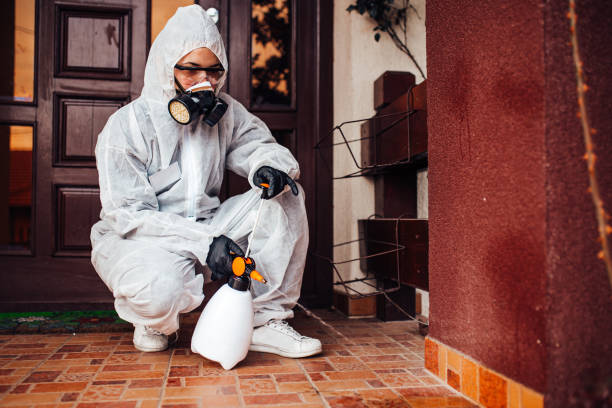
Subterranean termites are among the most destructive pests that can invade your home. Detecting their presence early is crucial to prevent severe structural damage. By knowing the warning signs, homeowners can take prompt action to mitigate potential risks.
Common Signs of a Termite Infestation
- Mud Tubes
Mud tubes, also known as shelter tubes, are thin trails of soil and debris created by termites to travel between their colony and food sources. These tubes are typically found on walls, foundations, or other structures close to the ground. - Discarded Wings
After mating swarms (known as alates), termites shed their wings. Finding piles of discarded wings near windowsills or doorways is often one of the first visible signs of an infestation. - Damaged Wood
Subterranean termites eat wood from the inside out. Tap wood surfaces with a screwdriver or hammer—if it sounds hollow or breaks easily, it could indicate termite damage. - Frass (Termite Droppings)
Though more common with drywood termites than subterranean ones, frass may sometimes be observed near wood structures. Subterranean termites often use excrement to reinforce mud tunnels instead.
Visual Evidence: Comparison Table for Termite Indicators vs Non-Termite Damage
| Signs | Caused by Termites? | Description |
| Mud Tubes | Yes | Thin tunnels made from soil and saliva |
| Discarded Wings | Yes | Leftover termite wings after reproductive swarms |
| Hollow-Sounding Wood | Yes | Internal feeding weakens wooden structures |
| Water Damage-Like Spots | Maybe (or water leaks) | Check for moisture-triggered decay if no mud tube exists |
Areas Around Homes Most Susceptible to Termites
- Foundation Walls: Cracks in foundations act as entry points for subterranean colonies.
- Basements: Damp environments attract termites seeking humidity.
- Wooden Flooring & Furniture: Especially when placed directly on soil or concrete.
- Crawl Spaces: Poorly ventilated spaces create ideal conditions for termite infestations.
How To Differentiate Between Termites & Other Pests
- Termites have straight antennae, while ants have elbowed ones.
- The body shape differs: ants have constricted waists; termites’ bodies are uniform.
- Wing size also varies – both pairs of termite wings are equal in length compared to uneven-sized ant wings.
By observing these warning signs regularly and performing inspections around vulnerable areas in your home, you can detect infestations early before significant damage occurs. Prevention remains key when protecting your property from these silent destroyers.
Effective Miami Termite Treatment: How to Identify the Warning Signs of an Infestation
Subterranean termites are among the most destructive pests homeowners can face, causing billions of dollars in damage annually. Eliminating them requires a strategic and informed approach. This guide explores effective methods that target these persistent pests while protecting your home.
1. Chemical Treatments
- Liquid Termiticides:
Liquid termiticides create a barrier in the soil around your property to block or kill termites as they attempt to enter your home. Commonly used chemicals include fipronil and imidacloprid.
| Chemical Name | Mode of Action | Benefits |
| Fipronil | Disrupts termite nervous system | Long-lasting; effective in low doses |
| Imidacloprid | Inhibits neural transmission | Highly effective and economical |
- Termite Baits:
Termite bait systems use slow-acting toxic agents like hexaflumuron or noviflumuron, which the worker termites carry back to their colony, eventually eliminating it.
2. Physical Barriers
- Sand Barriers: A layer of densely packed sand discourages termite movement, as they cannot tunnel through certain particle sizes.
- Stainless Steel Mesh: Installed during construction, this mesh prevents termites from entering through cracks or gaps.
- Basaltic Particle Barriers: These sharp-edged particles cut and deter termites from progressing into treated areas.
3. Natural and Eco-Friendly Approaches
- Beneficial Nematodes: Microscopic parasitic worms that infect termite colonies, effectively killing them within days.
- Orange Oil (D-Limonene): Extracted from citrus peels, orange oil dissolves termite exoskeletons and disrupts their internal processes.
These approaches work best for mild infestations or as supplementary treatments alongside more traditional methods.
4. Heat Treatment
Heat treatment is a non-toxic method used primarily for localized termite infestations. It involves raising the temperature in affected areas to lethal levels (120°F or higher), effectively killing termites without using harmful chemicals.
Pros:
- Safe for families and pets
- No chemical residue left behind
Cons:
- Not suitable for extensive infestations
- Requires special equipment
5. Foam Applications
Foam termiticides expand into hard-to-reach spaces like wall voids or beneath floorboards where subterranean termites may hide. This method is particularly useful in targeting hidden colonies without significant structural disruption.
Combining Methods for Maximum Effectiveness
- Start with chemical barriers to prevent further entry.
- Integrate bait systems to destroy existing colonies.
- Use foam applications or heat treatment for targeted areas.
- Supplement with physical barriers during renovations or new construction projects.
By employing an integrated pest management (IPM) strategy, you can ensure long-term protection against termite damage while minimizing environmental impact.
Effective Methods for Getting Rid of Subterranean Termites
Eliminating subterranean termites requires a comprehensive approach that combines various treatment methods. These termites, known for their insidious damage to wooden structures, are challenging to eradicate without targeted solutions. Below are some of the most effective techniques for dealing with subterranean termites.
1. Use of Liquid Termiticides
Liquid termiticides create a chemical barrier in the soil around your property to prevent termites from entering or exiting. Modern termiticides are often non-repellent, meaning termites cannot detect them and unknowingly come into contact with the treatment.
Advantages: – Long-lasting protection (up to several years). – Effective in reaching hidden termite colonies.
Application involves: – Digging trenches around the foundation. – Injecting the liquid solution into the soil. – Sealing treated areas to ensure effectiveness.
2. Baiting Systems
Baiting systems are an eco-friendly alternative to traditional liquid treatments. Termite bait stations are strategically placed around the property and contain cellulose material laced with slow-acting insecticides that termites carry back to their colony.
Benefits of baiting systems: – Targeted elimination of termite colonies. – Minimal use of chemicals compared to liquid termiticides.
Table: Key Differences Between Liquid Termiticides and Baiting Systems
| Feature | Liquid Termiticides | Baiting Systems |
| Application Area | Soil surrounding structure | Specific bait stations |
| Chemical Use | High | Low |
| Time for Results | Immediate | Gradual (weeks/months) |
3. Fumigation (For Severe Infestations)
In cases where infestations are extensive, fumigation can be an effective method for eliminating both visible and hidden termite colonies. This involves sealing off the home or affected area and filling it with a gas that kills termites.
Key considerations: – Requires professional expertise. – Can disrupt daily life as it necessitates evacuation during treatment.
4. Natural Methods
- Nematodes: Beneficial microscopic worms that actively hunt down and kill termite larvae in the soil.
- Orange Oil: A plant-based oil that is toxic to termites when injected directly into infested wood.
- Diatomaceous Earth (DE): A natural substance that damages termite exoskeletons when applied in dry areas.
While natural methods can help manage small infestations, they may not be sufficient for larger colonies.
Practical Tips During Treatment
- Remove sources of moisture around your home, as damp conditions attract subterranean termites.
- Repair leaks in plumbing or roofing promptly.
- Ensure all wood-to-soil contact is minimized by creating physical barriers or using treated wood.
By combining multiple approaches tailored to the severity of infestation, homeowners can successfully rid their properties of subterranean termites while protecting against future invasions.

Understanding the Different Chemicals Used to Kill Subterranean Termites
When dealing with subterranean termites, leveraging the right chemicals can be a critical factor in achieving effective control and eradication. Various chemicals are available, each with unique properties and applications. This section provides a detailed overview of the most commonly used termite treatment chemicals, their mode of action, and their suitability for specific infestations.
1. Termiticides: Soil Treatments
Termiticides are among the most widely used chemical solutions for controlling subterranean termites. These are applied to the soil around structures to form a protective barrier that repels or kills termites attempting to infiltrate.
Types of termiticides: – Repellent Termiticides: – These create a chemical barrier that prevents termites from advancing into treated areas. – Example: Permethrin. – Non-Repellent Termiticides: – Subterranean termites unknowingly come into contact with non-repellent termiticides. As they continue moving through treated areas, they spread the chemical within their colony. – Example: Fipronil (widely used in products like Termidor).
| Type | Functionality | Key Advantage |
| Repellents | Blocks access to treated areas | Prevents entry near foundations |
| Non-repellents | Kills upon contact or ingestion | Effective for colony-wide eradication |
2. Liquid Barrier Treatments
Liquid termiticide application is one of the most reliable ways to address subterranean termite infestations. This involves injecting liquid chemicals into trenches dug around the foundation of a building.
Advantages include: – Long-lasting protection (some products offer efficacy for up to ten years). – Can prevent new colonies from establishing near your home.
However, proper application requires expertise since even small gaps in coverage can allow termites access.
3. Baiting Systems
Chemical bait systems offer an alternative solution focused on termite behavior and biology. Baits contain slow-acting toxicants combined with cellulose, which attracts worker termites who feed on it and share it with other colony members.
Common active ingredients in baits: – Hexaflumuron: Disrupts termite development by inhibiting molting. – Noviflumuron: Prevents chitin synthesis essential for exoskeleton formation.
Benefits of bait systems: – Targeted approach reducing environmental impact. – Minimal disturbance during installation compared to liquid treatments.
Disadvantage: Takes longer than immediate soil treatments as it relies on termite feeding cycles.
4. Wood Treatment Chemicals
Wood treatment involves applying specific chemicals directly onto wooden structures to render them resistant to termite damage or eliminate existing infestations.
Common wood treatment chemicals include: – Boron-based compounds: Penetrate wood deeply and are highly effective at preventing wood decay and repelling termites (e.g., Borates such as Disodium Octaborate Tetrahydrate). – Synthetic pyrethroids: Provide surface-level protection against infestation but may break down over time when exposed outdoors.
Important Considerations When Using Chemicals
When selecting chemical treatments for subterranean termites, several factors should guide your decision-making process: 1. Severity of Infestation: Certain products work better for isolated colonies versus large-scale infestations. 2. Safety Concerns: Always follow manufacturer guidelines regarding application and personal protective equipment (PPE). 3. Environmental Impact: Opt for eco-friendly options when working near water sources or sensitive areas. 4. Professional Assistance: Improper application can lead to ineffective results; consulting pest control experts is often recommended.
By understanding how each type of chemical works, homeowners can make informed decisions about treatment methods tailored specifically to their situation while ensuring long-term protection against future threats posed by subterranean termites.
Exploring the Key Differences Between Drywood and Subterranean Termites
Understanding the key differences between drywood and subterranean termites is essential for effective termite management. While both species can cause significant damage to wooden structures, their behaviors, habitats, and treatment methods vary greatly. Below is a detailed comparison to help you distinguish between these two common types of termites.
Habitat and Nesting Habits
- Live inside dry wood, such as furniture or structural wood in homes.
- Do not require contact with soil or moisture to survive.
- Create nests within the wood they consume, leading to localized damage.
- Build colonies underground and rely on contact with soil for moisture.
- Travel through mud tubes to reach above-ground wooden structures.
- Damage is often widespread due to their ability to infest multiple areas through underground tunnels.
Physical Appearance
| Feature | Drywood Termites | Subterranean Termites |
| Size | Slightly larger (up to 1/2 inch) | Smaller (1/8–3/8 inch) |
| Color | Light brown or cream-colored | Pale cream-colored workers; dark brown swarmers |
| Wings (Swarmers) | Equal-length wings | Wings of swarmers are longer than their bodies |
Eating Patterns and Damage
- Prefer dry wood with low moisture content, such as furniture, doors, and window frames.
- Create smooth galleries inside the wood without leaving external signs of damage until it’s severe.
- Feed on moist or decayed wood but will also attack sound wooden structures.
- Often leave behind hollowed-out sections of wood with a honeycomb-like interior structure.
Presence of Frass vs. Mud Tubes
- Drywood termites produce frass, which are small pellets resembling sawdust or coffee grounds that accumulate around infested areas.
- Subterranean termites create mud tubes that provide them with moisture as they travel between soil and food sources.
Behavior During Swarming Season
- Drywood termite swarmers are typically active during warm evenings in late summer or early fall.
- Subterranean termite swarmers are more likely to emerge during daytime hours after rainfall in spring.
Key Takeaways for Homeowners
- Inspect your property regularly for signs like frass piles (drywood) or mud tubes (subterranean).
- Use professional inspections if you’re uncertain about the type of infestation present in your home.
- Address moisture issues promptly since subterranean termites thrive in damp environments.
- Consider fumigation for widespread drywood infestations but focus on soil treatments for subterranean colonies.
Careful identification helps ensure that efforts to eliminate termites are both effective and targeted toward their specific behaviors and habitats.

How to Identify a Subterranean Termite and Their Behavior
Subterranean termites are highly destructive pests that can cause significant structural damage if left undetected. Understanding how to identify these termites and their behavior is critical for homeowners to manage infestations effectively.
Physical Characteristics of Subterranean Termites
| Caste | Appearance | Role in the Colony |
| Workers | Creamy white, soft-bodied, wingless | Responsible for foraging, feeding, and nest maintenance |
| Soldiers | Larger head with mandibles, creamy white body | Defend the colony against predators |
| Reproductives | Dark brown or black with two pairs of wings (equal in size) | Swarm to establish new colonies |
- Size: Subterranean termites are typically between 1/8 inch and 3/8 inch in length.
- Distinguishing Feature: Unlike ants, subterranean termites have straight antennae and a broad waist instead of a pinched one.
Behavioral Traits of Subterranean Termites
- These termites build extensive underground colonies consisting of interconnected tunnels.
- Mud tubes are created above ground to protect them from desiccation while they travel between their colony and food source.
- Subterranean termites feed primarily on cellulose found in wood, paper, and plant materials.
- Unlike drywood termites, they need moisture to survive and prefer damp or decaying wood.
- Winged reproductives (also known as alates) swarm during warm weather months, especially after rainfall.
- Swarms often indicate a mature colony nearby requiring immediate attention.
- Colonies can have populations ranging from tens of thousands to millions.
- Workers forage for food up to 300 feet away from the nest using pheromone trails.
Signs of Subterranean Termite Activity
- Mud Tubes: Visible on walls, foundations, or crawl spaces; these are highways for subterranean termites.
- Damaged Wood: Hollow-sounding wood or wood with maze-like patterns underneath the surface.
- Discarded Wings: Left behind by swarming alates near windowsills or light sources.
- Frass (Termite Droppings): While subterranean termites use frass within the colony, its absence near damaged wood could still indicate their presence.
- Bubbling Paint or Warped Walls: Moisture introduced by termite activity may lead to distorted surfaces.
Key Differences Between Subterranean Termites and Drywood Termites
| Feature | Subterranean Termites | Drywood Termites |
| Nest Location | Underground | Inside dry wood |
| Moisture Requirement | High | Low |
| Presence of Mud Tubes | Yes | No |
By accurately identifying subterranean termites based on physical characteristics and behavioral patterns, homeowners gain a vital first step toward mitigating infestations before irreversible damage occurs.
Why Professional Help is Essential for Complete Termite Eradication
Dealing with termites, especially subterranean termites, can be a complex and overwhelming task for homeowners. While DIY methods may seem cost-effective at first glance, they often fail to address the root of the problem or provide long-term solutions. Enlisting professional help is essential for achieving complete termite eradication. Below are compelling reasons why professional intervention is crucial in successfully dealing with termite infestations.
Expertise and Knowledge
- Accurate Identification: Professionals have the training to distinguish between different species of termites, which is critical as treatment methods vary depending on the type.
- Behavioral Insight: Understanding termite behavior, such as their nesting habits and feeding patterns, allows experts to locate colonies effectively.
- Customized Treatment Plans: Professionals can design treatment strategies tailored to your home’s specific infestation.
Access to Advanced Tools and Techniques
- Termiticide Foams – For treating hard-to-reach areas within walls or underground.
- Baiting Systems – Professional baiting systems ensure maximum colony elimination by targeting worker termites that transport poison back to the nest.
- Infrared Cameras – These detect heat signatures from termite activity inside walls or other concealed spaces.
Safe Application of Chemicals
One significant risk associated with DIY termite control is improper handling of pesticides or chemicals, which may pose health risks to humans and pets. Licensed exterminators are trained in the safe application of termiticides while adhering to strict regulatory standards.
| Chemical Name | Purpose | Safety Considerations |
| Fipronil | Soil barrier treatments | Requires professional application due to toxicity levels |
| Imidacloprid | Bait system active ingredient | Minimally toxic but requires careful placement |
| Hexaflumuron | Growth regulator in baits | Highly effective but regulated usage |
Professionals ensure these are used strategically without contaminating your living space.
Long-Term Prevention Strategies
- Installing physical barriers such as stainless steel mesh around foundations.
- Applying pre-construction soil treatments during building phases.
- Conducting routine inspections to catch reinfestations early.
Additionally, they educate homeowners about environmental factors that attract termites (e.g., excessive moisture or wood-to-soil contact) and offer actionable advice on minimizing risks.
Time and Cost Efficiency
While hiring a professional may seem like an upfront expense, it can save money in the long run by preventing costly structural damage caused by recurrent infestations. Attempting DIY solutions often leads to incomplete results, requiring repeated efforts that increase costs over time.
Moreover, professionals work efficiently due to their experience—what might take weeks for a homeowner can be resolved much faster with expert intervention.
Warranty and Peace of Mind
Most pest control companies offer warranties on their services, giving homeowners peace of mind knowing they are protected against future infestations for a specified period. This assurance relieves stress while guaranteeing a more permanent solution compared to temporary fixes provided by DIY approaches.
By combining technical expertise with advanced tools and preventative strategies, professionals deliver comprehensive solutions that protect your home thoroughly from termites’ destructive impact.
Why Professional Help is Essential for Complete Termite Eradication
1. Comprehensive Inspection and Accurate Identification
Professionals are trained to perform thorough inspections of your property to determine the extent of the infestation. They possess the expertise to identify: – The specific species of termites (e.g., subterranean vs. drywood termites). – Active colonies and areas of infestation. – Entry points that termites use to access your home.
Accurate identification allows pest control specialists to customize treatment plans tailored specifically to your situation, something that DIY methods often lack.
2. Access to Specialized Tools and Treatments
Professional exterminators have access to advanced tools, equipment, and chemicals that are not available for general consumer use. These include: – Termiticides: High-grade termiticides such as fipronil and imidacloprid ensure long-lasting protection. – Baiting Systems: Experts install baiting stations strategically around your property to eliminate entire colonies. – Infrared Cameras: Used for detecting hidden termite activity behind walls or within wooden structures.
Such specialized solutions ensure that the problem is tackled at its root rather than just treating surface-level symptoms.
3. Prevention of Recurring Infestations
DIY efforts often fail to address the underlying cause of an infestation, leading to recurring problems over time. Professionals focus not only on eliminating existing termites but also on implementing preventative measures such as: – Applying chemical barriers around the foundation. – Sealing cracks and crevices in structural components. – Educating homeowners about proper moisture control strategies, such as fixing leaky pipes or improving drainage systems.
By taking these steps, licensed pest control services help reduce the risk of future infestations significantly.
4. Cost-Efficiency in the Long Run
Although hiring professionals may seem more expensive upfront compared to DIY treatments, it is often more cost-effective in the long run for several reasons: | DIY Treatments | Professional Services | |—————————–|—————————–| | May provide temporary relief | Offers long-term eradication | | Risk of ineffective application | Guaranteed solutions backed by expertise | | Can result in recurring damage costs | Prevents further structural damage |
Neglecting professional help may lead to escalating repair expenses as untreated termite damage worsens over time.
5. Safety Assurance
Handling chemicals such as termiticides can pose health risks if not used correctly. Pest control experts are trained in safe chemical handling procedures and take necessary precautions during applications to protect you, your family, pets, and the environment from harm.
When Is It Time To Call a Professional?
It’s critical to seek professional assistance if: – You notice mud tubes along walls or foundations (a tell-tale sign of subterranean termites). – Hollow-sounding wood or sagging floors indicate significant internal damage. – DIY attempts have failed multiple times without resolving the issue.
Trusting licensed exterminators ensures both peace of mind and effective results when dealing with destructive pests like subterranean termites. Their expertise safeguards your home from further damage while saving you time, effort, and money in addressing this persistent threat comprehensively.
- Effective Solutions from a Termite Exterminator Miami Residents Trust
- Miami Termite Control: Understanding Their Behavior, Habits, and Role in Nature
- How Miami Pest Control Experts Address Termite Infestations
- Effective Miami Termite Treatment to Protect Your Home
- Expert Tips for Miami Termite Control to Eliminate Subterranean Termites
- Effective Miami Termite Control: How to Spot and Identify Key Indicators in Your Home
- Effective Miami Pest Control: Comprehensive Guide to Termite Treatment Methods
- Effective Miami Termite Treatment: A Comprehensive Guide for Homeowners