
Eliminating termites and ensuring they do not return is a critical task for homeowners. Termites are not only destructive but can cause costly structural damage if left untreated.
Steps to Eliminate Termites
- Identify the Type of Termite
Understanding the species of termite in your home is crucial in determining the right treatment method. - Subterranean termites: Live underground and build mud tubes for access to food sources.
- Drywood termites: Nest inside dry wood structures, such as furniture or building components.
- Inspect Your Home Thoroughly
Conduct a detailed inspection, searching for key signs such as mud tubes, damaged wood, droppings (frass), and discarded wings near windows or doors. - Apply Targeted Treatments
There are several proven methods to eliminate existing colonies: - Liquid termiticides: These create a barrier that kills termites on contact or when ingested.
- Termite baits: Slow-acting toxins placed strategically around your property attract termites and spread poison to their colony.
- Boric acid applications: Effective for direct application on wooden structures where activity is noted.
- Use Fumigation for Severe Infestations
If the colony is large or widespread within your home, professional fumigation may be necessary.
Preventive Measures to Avoid Future Infestations
- Fix leaking faucets, pipes, and air conditioning units promptly.
- Ensure proper drainage around the foundation to keep soil dry.
- Avoid placing untreated wood directly on soil or close to your home’s foundation.
- Use concrete bases or steel supports when installing wooden structures outdoors.
- Repair cracks in foundations, walls, and roofing.
- Replace damaged weatherstripping around doors and windows.
- Keep firewood, mulch, lumber, and other cellulose-rich materials at least 20 feet away from your house.
- Regular InspectionsSchedule professional termite inspections annually to detect signs early and prevent significant damage.
Table: Summary of Key Methods
| Method | Purpose | Best For |
| Liquid Termiticides | Create barriers & kill termites | Subterranean termite control |
| Baiting Systems | Spread toxins through colonies | Long-term control & prevention |
| Boric Acid Application | Direct spot treatments | Drywood termite infestations |
| Fumigation | Eliminate entire colonies | Severe or widespread infestations |
By combining immediate treatment with long-term prevention strategies, you can protect your home from further damage while ensuring that termites do not become a recurring problem in the future.
Effective Miami Termite Treatment: Tackling the Causes of Infestations
Termite infestations can cause significant damage to structures and property, making it essential to understand the factors that contribute to their presence. By identifying these causes, homeowners can take proactive measures to prevent infestations before they become severe.
Common Causes of Termite Infestations
- Moisture Issues
Termites thrive in moist environments, as they require water to survive. High humidity levels and sources of standing water around a property often serve as an open invitation for termites. - Leaky pipes or faucets
- Poor drainage systems leading to pooling water near foundations
- Roof leaks that create damp conditions in attics or walls
- Improper ventilation in crawl spaces or basements
- Wood-to-Soil Contact
Subterranean termites build colonies underground and access food sources through tunnels. Wood that comes into direct contact with soil provides easy access for termites. - Wooden posts, beams, or decks directly embedded in the ground
- Mulch placed too close to home foundations
- Firewood stored against exterior walls
- Cracks and Openings in Structures
Even small cracks in the foundation, walls, or rooflines can allow termites to enter a home undetected. These tiny gaps provide entry points that termites use to reach interior wood structures. - Gaps around utility lines and plumbing fixtures entering the house
- Faulty seals around doors or windows
- Proximity to Natural Termite Habitats
Homes located near dense vegetation, forests, or areas with decaying wood are naturally more prone to termite infestations due to their proximity to termite colonies’ natural habitats. - Use of Untreated Wood Materials
Building materials made from untreated wood are highly susceptible to termite activity compared to treated wood products designed with pest resistance in mind.
Key Prevention Strategies
| Cause | Prevention Tip |
| Excessive Moisture | Fix leaks promptly; ensure proper drainage systems are installed |
| Wood-to-Soil Contact | Use treated lumber; maintain at least an 18-inch gap between soil and wood |
| Structural Cracks | Regularly inspect and seal any visible cracks or gaps |
| Proximity to Vegetation | Keep landscaping trimmed back at least 12 inches from the foundation |
| Untreated Wood | Invest in treated building materials for construction/renovation projects |
By addressing these contributing factors systematically, homeowners can significantly reduce their risk of experiencing a termite infestation while also safeguarding their property investments over time.
Effective Miami Termite Control to Eliminate and Prevent Infestations
Termites are persistent pests that can cause significant damage to homes and properties. Understanding the common causes of a termite infestation is essential in taking preventive measures and protecting your home. Below is an in-depth look at the factors that contribute to termite infestations.
Excess moisture is one of the most significant contributors to termite infestations, as termites thrive in damp environments.
– Leaking pipes:Faulty plumbing can create damp areas within walls, floors, or crawl spaces where termites can thrive.
– Poor drainage:Water that collects near a home’s foundation due to poor drainage systems can attract termites.
– High humidity levels:Basements or crawl spaces with limited ventilation may retain excess humidity, making them ideal for termites.
Prevention Tip:Regularly inspect for leaks and ensure proper ventilation in high-moisture areas to reduce the risk of termite activity.
Structures that have direct wood-to-soil contact provide easy access for termites to infest a property.
– Wooden decks or fences directly touching soil
– Exterior wood siding extending into the ground
– Untreated wooden posts used for construction
Prevention Tip:Use treated wood for outdoor structures and maintain at least an 18-inch gap between soil and any wooden parts of your home.
Termites can gain access through tiny cracks or crevices in a building’s foundation, walls, or floors. These entry points allow them to infiltrate undetected until the damage becomes severe.
Prevention Tip:Seal cracks with caulking materials or other appropriate sealants to block termite entry points.
Homes located near wooded areas, piles of dead trees, or even mulch beds are at greater risk since these environments are natural habitats for termites.
| Common Risk Factors | Examples |
| Deadwood materials | Logs, stumps, fallen branches |
| Landscaping practices | Mulch too close to foundations |
Prevention Tip:Keep landscaping features such as mulch and firewood stored away from your home’s exterior.
Many homeowners unintentionally encourage termite infestations by storing wood materials too close to their homes.
Prevention Tip:Store firewood at least 20 feet away from your house and elevate it off the ground whenever possible.
By addressing these common causes proactively, you can significantly reduce the chances of encountering a costly termite problem in your home. Regular maintenance and inspections play a crucial role in keeping termites at bay while also preserving your property’s structural integrity over time.
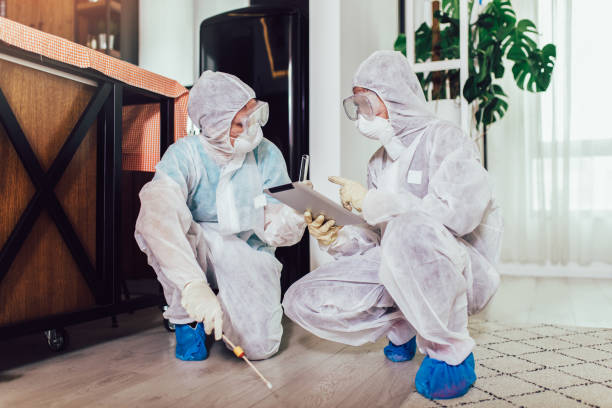
Effective Solutions from a Trusted Termite Control Company in Miami
Termite infestations can cause severe structural damage to your home if left untreated. It is essential to adopt a comprehensive approach to eliminate termites and ensure they do not return. This guide outlines effective methods for eradicating termites, from initial detection to long-term prevention strategies.
Step 1: Identify the Type of Termite
Understanding the species of termite infesting your home is critical for selecting the most effective treatment method.
- Subterranean termites: These live in soil and build mud tubes for accessing wood.
- Drywood termites: Found inside wood structures, they do not require contact with soil.
- Dampwood termites: Prefer moist wood and are less common.
Proper identification helps determine whether you need ground-based treatments, direct application methods, or other solutions.
Step 2: Use Targeted Treatments
Once the termite species has been identified, apply treatments designed to specifically address their behavior and habitat.
- Effective for subterranean species.
- Bait stations are strategically placed around your property.
- Poisoned bait lures worker termites, which then spread the toxin within the colony.
- Ideal for long-term control and undetectable infestations.
- Utilize borate-based products to protect wood from drywood or dampwood termites.
- Borates act as both a preventative measure and a treatment option by penetrating deep into wooden surfaces.
Step 3: Address Structural Vulnerabilities
- Fix leaks in pipes, faucets, or roofs that create damp environments favored by many termite species.
- Use caulk or construction sealants on gaps around windows, doors, foundations, or vents where termites might enter.
- Remove sections of infested wood that cannot be salvaged and replace them with treated timber resistant to pests.
Step 4: Implement Long-Term Preventative Measures
Prevention is just as important as extermination when dealing with termites.
| Prevention Method | Description |
| Regular Inspections | Conduct yearly inspections of your property by professionals or trained individuals. |
| Soil Barriers | Apply termiticide barriers in soil during construction or renovation projects. |
| Landscaping Adjustments | Keep landscaping features like mulch beds at least 12 inches away from the foundation of your home. |
| Proper Storage | Store firewood or wooden debris above ground level and far from your house. |
Integrated Pest Management (IPM)
For thorough termite elimination, consider employing an Integrated Pest Management strategy that combines chemical treatments with environmental modifications and regular maintenance practices. This holistic approach minimizes reliance on chemicals while increasing overall effectiveness.
By following these comprehensive steps—including precise identification, targeted treatments, structural adjustments, and preventative measures—you can effectively rid your property of termites while minimizing their chance of resurgence.
How to Know When to Call a Termite Exterminator Miami Experts Recommend
When dealing with termites, it is critical to assess the scale of the infestation and determine whether professional intervention is necessary. While DIY methods can sometimes address minor issues, certain situations demand the expertise of trained pest control professionals. Knowing when to call for assistance can save your home from extensive damage and costly repairs.
Indicators That You Need a Professional
- If termites have caused visible damage to large sections of wood, walls, or flooring, the infestation may be too extensive for home remedies.
- Structural damage that compromises your home’s integrity should always be evaluated and treated by professionals.
- When DIY treatments fail to eliminate termites entirely or new activity is detected shortly after treatment, it’s time to call a professional.
- Recurring termite issues often indicate an underlying problem that requires expertise to resolve.
- Subterranean termites build colonies underground and are notoriously difficult to locate and remove.
- Their intricate tunnels often require specialized knowledge, tools, and treatments such as soil termiticides or baiting systems.
- Some termite species may not respond effectively to general treatments available over-the-counter.
- Professionals can identify the exact species and tailor targeted solutions for them.
- Severe infestations involving drywood termites may necessitate fumigation—a process best handled by licensed experts due to its complexity and safety requirements.
Benefits of Calling a Professional
- Thorough Inspection:Pest control experts use advanced technologies like moisture meters and infrared cameras to detect termite presence in hidden areas.
- Customized Treatment Plans:Professionals tailor their methods based on the type of termite species, severity of infestation, and structural composition of your home.
- Long-Term Prevention:Ongoing monitoring programs provided by professionals ensure that termite issues are addressed before they escalate again.
Comparing Costs: DIY vs.
| Factor | DIY Approach | Professional Services |
| Cost | Generally low upfront cost | Higher initial cost but long-term value |
| Effectiveness | May work on small infestations | Suitable for severe or recurring problems |
| Time Investment | Requires significant personal effort | Minimal; handled by experts |
| Risk | Potential for ineffective results | Guaranteed treatments with warranties |
Selecting the Right Pest Control Company
Choosing a reputable pest control service is vital when addressing serious termite infestations.
- Are licensed and certified in pest management.
- Offer free inspections or consultations before treatment begins.
- Provide warranties on their services as assurance of effectiveness.
- Have positive customer reviews reflecting their reliability and professionalism.
Taking swift action during severe termite incidents ensures thorough removal while minimizing long-term structural damage caused by these destructive pests.
Advanced Solutions for Termite Removal Miami: Baiting Systems, Fumigation, and More
Effective termite control often requires advanced techniques, especially when infestations are extensive. Modern methods such as baiting systems and fumigation have revolutionized pest management by offering targeted and efficient solutions. Here’s an in-depth look at these approaches and other advanced strategies for dealing with termites.
Baiting Systems: A Targeted Approach
Baiting systems are among the most efficient solutions for termite control.
Key Benefits of Baiting Systems: – Targeted Elimination:Only affects termites without harming other species.Reduced Use of Chemicals:Minimizes environmental impact compared to traditional chemical treatments.Long-Term Solution:Can prevent future infestations when maintained properly.
How Baiting Works:| Step | Description | |——|————-| | 1 | Installation of bait stations around key areas like foundations or near termite activity. | | 2 | Termites feed on bait containing slow-acting insecticides. | | 3 | Bait is carried back to the colony, affecting more termites over time.
While effective when used correctly, baiting requires periodic monitoring and maintenance by trained professionals to ensure success.
Fumigation: Comprehensive Infestation Control
Fumigation is one of the most robust solutions for severe termite infestations in structures like homes or large buildings. It involves sealing off the property with tarps or plastic sheets before introducing a fumigant gas into the space to eliminate all termites present.
Advantages of Fumigation: – Widespread Reach:Effective against both drywood and subterranean termites.Complete Eradication:Targets all stages of termite life cycles, from eggs to adults.Fast Results:Entire process typically completes within a few days.
Preparation Checklist for Fumigation:– Remove pets and plants from your home. – Store food items in airtight containers or remove them entirely. – Arrange alternative accommodations during fumigation.
While this method is highly effective, it’s important to note that fumigation does not provide long-term prevention. Homeowners should follow up with preventive measures after treatment.
Additional Advanced Solutions
- Soil Treatments:Application of liquid termiticides around building foundations creates a protective barrier against subterranean termites.
- Wood Treatments:Treat wood surfaces with termiticides or borate-based products to repel and kill termites upon contact.
- Infrared Detection Technology:This non-invasive method helps detect hidden infestations early using thermal imaging devices.
- Microwave Treatments:A chemical-free solution where targeted heat kills termites inside wooden structures without damaging materials.
Choosing the Right Solution
Deciding on an advanced termite control method depends on factors like: – The type of termite infestation (drywood vs subterranean). – The severity of damage caused by termites. – Accessibility of infestation sites within your property.
Consultation with pest management professionals ensures proper assessment and implementation tailored to your specific needs.
By combining these advanced solutions with routine inspections and preventive measures, homeowners can effectively eliminate existing colonies while deterring future infestations.
- Effective Solutions from a Termite Exterminator Miami Residents Trust
- Miami Termite Control: Understanding Their Behavior, Habits, and Role in Nature
- How Miami Pest Control Experts Address Termite Infestations
- Effective Miami Termite Treatment to Protect Your Home
- Expert Tips for Miami Termite Control to Eliminate Subterranean Termites
- Effective Miami Termite Control: How to Spot and Identify Key Indicators in Your Home
- Effective Miami Pest Control: Comprehensive Guide to Termite Treatment Methods
- Effective Miami Termite Treatment: A Comprehensive Guide for Homeowners