Menu Close

Tag: termite control company in Miami

Effective Solutions from a Termite Exterminator Miami Residents Trust

Termite prevention is a critical aspect of any new construction project. These tiny pests have the potential to cause significant structural damage if not addressed proactively during the early stages of a building’s development. By understanding the importance of termite prevention, property owners and builders can save themselves from costly repairs and protect the long-term integrity of their structures.

The Risks of Termite Infestations

Without effective preventative measures, termites can infiltrate buildings and compromise the foundation and framework.

  • Structural Damage: Termites feed on wood and cellulose-based materials, weakening vital structural components such as beams, joists, and studs.
  • Reduced Property Value: A termite infestation can severely impact a property’s resale value due to concerns about hidden damage.
  • Costly Repairs: Repairing termite damage often requires extensive restoration work that can lead to significant financial strain.
  • Health Risks: While termites themselves are not harmful to humans, their presence can attract other pests or create conditions for mold growth within a structure.

Why Termite Prevention Should Be Prioritized

Preventing termites during construction is far more effective—and less expensive—than addressing infestations after they occur.

  1. The Building Is Safe from Day One– Preventative measures create an uninviting environment for termites from the start.
  2. Compliance with Local Building Codes– Many regions require adherence to specific termite control regulations for new constructions.
  3. Long-Term Savings– Investing in prevention eliminates future costs related to pest control treatments or repair work caused by infestations.
  4. Environmental Benefits– Proactive methods often involve eco-friendly solutions that reduce reliance on harmful chemicals used in reactive treatments.

Common Areas Vulnerable to Termites

During construction, certain areas are more susceptible to termite entry than others.

Vulnerable Area Reason for Susceptibility Recommended Action
Foundations Termites enter through cracks in concrete foundations Apply termiticide or install physical barriers
Wooden Framing Wood is a primary food source for termites Use treated wood or metal alternatives
Crawl Spaces High moisture levels attract termites Ensure proper ventilation and drainage
Utility Openings Gaps around pipes or cables provide entry points Seal all openings with durable materials

Benefits of Planning Ahead

  • Builders can integrate physical barriers like stainless steel mesh or sand layers beneath foundations.
  • Chemical soil treatments applied before pouring concrete act as long-term deterrents.
  • Treated lumber resists decay and makes wooden structures less appealing to pests.
  • Drainage systems prevent moisture buildup—a significant factor contributing to termite activity.

By taking these steps during construction, builders set up properties for decades of protection while minimizing environmental impacts associated with reactive chemical treatments post-infestation.

Choosing the Right Termite Control Company in Miami for New Constructions

For new constructions, incorporating termite prevention measures is not just a precautionary step—it is essential to protect your investment and ensure the longevity of the structure. Understanding why termite prevention is critical during construction can help builders and property owners make informed decisions. Call a professional termite control company today for help. Miami Termite Solutions https://miamitermitesolutions.com  is a recommended pest control specialist in Miami FL.

Effective Miami Termite Control: Protecting New Constructions from Infestations

Termites are often referred to as “silent destroyers” due to their ability to cause extensive damage without being detected.

  • Structural Damage: Termites feed on cellulose found in wood and other building materials, potentially compromising the integrity of walls, floors, and ceilings.
  • Costly Repairs: Repairing termite damage can be extremely expensive, often exceeding thousands of dollars.
  • Health Concerns: While termites don’t directly harm humans, mold resulting from termite infestations can lead to respiratory issues.

How to Prioritize Termite Removal Miami Services During Construction

Addressing termites during the construction phase allows for more comprehensive protection compared to retroactive treatments.

  1. Cost Efficiency
    Preventative measures applied during construction are generally more cost-effective than dealing with a full-blown infestation later. The initial investment can save homeowners thousands in repair costs.
  2. Integrated Protection
    New construction provides the perfect opportunity to integrate anti-termite solutions directly into the foundation and structure. This ensures long-term defense against infestations.
  3. Compliance with Building Codes
    Many regions require builders to adhere to specific regulations concerning pest control. Incorporating termite prevention measures helps ensure compliance with these codes.
  4. Enhanced Property Value
    Homes with documented termite protection systems are more appealing to buyers because they offer peace of mind regarding potential future infestations.

Effective Ways to Prevent Termites in New Constructions

Method Description Benefits
Chemical Soil Treatments Applying termiticides around the foundation creates a chemical barrier that repels or kills termites. Long-lasting protection at entry points
Physical Barriers Using materials like stainless steel mesh or sand barriers blocks termites from accessing wood components. Eco-friendly; non-toxic
Pressure-Treated Wood Treating wooden materials with chemicals designed to deter termites helps prevent feeding behavior. Provides targeted wood protection
Vapor Barriers Installing moisture barriers beneath foundations minimizes soil moisture levels that attract termites. Reduces conducive conditions

Builder Responsibilities in Termite Prevention

  • Selecting appropriate building materials resistant to termites.
  • Ensuring proper site preparation, including clearing stumps and debris that attract subterranean termites.
  • Collaborating with pest control professionals who specialize in pre-construction treatments.

By taking these steps, builders not only meet industry standards but also safeguard their projects against future issues.

Long-Term Benefits for Homeowners

Proactive termite prevention extends beyond safeguarding investments; it also fosters peace of mind for homeowners by minimizing the likelihood of infestation-related stress or expenses. Incorporating robust prevention methods into new constructions ensures that properties remain safe, durable, and free from pest-related concerns over time.

Understanding these aspects highlights how vital it is for builders and property owners alike to prioritize comprehensive termite prevention during every stage of construction planning.

How to Protect Your Property with New Construction Termite Prevention Strategies

Termite prevention during the construction phase can save property owners from significant damage and costly repairs in the future. By incorporating targeted strategies at the outset of construction, builders can establish long-term protection for structures. Below is an overview of practical strategies to safeguard your property against termites.

Pre-Construction Soil Treatment

One of the most effective strategies for termite prevention is treating the soil before construction begins. This process involves applying termiticides to form a chemical barrier between termites in the soil and the building structure.

  • Creates a long-lasting defense against subterranean termites.
  • Reduces the likelihood of termite entry through foundation gaps.
  • Cost-effective when conducted during early construction phases.

Use of Termite-Resistant Materials

Incorporating termite-resistant materials into new construction projects can significantly reduce susceptibility to infestations. These materials are either naturally resistant to termites or treated with protective chemicals.

  • Treated wood (pressure-treated lumber, borate-treated wood).
  • Concrete and steel for structural elements.
  • Composite materials such as plastics or fiber-cement products.
Material Type Resistance Level Ideal Use Cases
Pressure-Treated Wood High Structural framing, outdoor decks
Borate-Treated Wood Moderate to High Interior framing, flooring supports
Concrete Impervious (non-organic) Foundations, walls

Physical Barriers for Termites

Physical barriers are non-chemical methods used to block termite entry points during new building projects. These barriers are especially effective in combination with other preventive measures.

  • Stainless steel mesh:Installed around foundations and piping to prevent termite penetration.
  • Granular barriers:Layers of tightly packed sand or crushed stone that are impenetrable by termites.
  • Plastic sheeting with termiticide coating:Often used beneath foundations and slabs.

Proper Drainage Design

Moisture attracts termites and creates ideal breeding conditions. Ensuring proper drainage around a building site can deter infestations by keeping moisture away from foundational areas.

  • Slope landscaping away from foundations.
  • Install downspouts and gutters to divert water away from structures.
  • Avoid planting trees and shrubs too close to buildings as they retain moisture near walls.

Regular Inspections During Construction

Conducting regular inspections throughout the construction process ensures that all preventive measures are properly implemented. A professional pest control expert or structural engineer can identify potential vulnerabilities before they become problematic.

  • Verify soil treatments are correctly applied before slab pouring.
  • Ensure physical barriers remain intact throughout construction.
  • Confirm all wood components meet anti-termite treatment standards.

By integrating these strategies into your new construction plans, you can provide robust protection against future termite infestations while enhancing the longevity and resilience of your building structure.

How Miami termite treatment plays a crucial role in safeguarding structures during construction

Termite prevention plays a vital role in ensuring the long-term integrity and safety of newly constructed buildings. Without proper strategies in place, termites can compromise the structural foundation of a property, leading to costly repairs and potential safety hazards. Below, we explore key aspects of termite prevention during construction that builders and property owners should prioritize.

The Importance of Early Intervention

Preventing termites during the construction phase is significantly more effective than addressing infestations after they occur. Incorporating preventative measures at this stage ensures that termites are deterred before they have an opportunity to establish colonies.

  • Cost savings: Proactive prevention is typically less expensive than extensive remediation efforts.
  • Structural longevity: Buildings are less likely to suffer damage when termites are kept at bay from the outset.
  • Reduced environmental impact: Prevention minimizes the need for aggressive chemical treatments later.

Proven Termite Prevention Strategies During Construction

When constructing new buildings, it is essential to integrate termite prevention techniques as part of the plan.

  1. Apply termiticides to soil prior to pouring foundation slabs.
  2. Create a chemical barrier that repels or eliminates termites attempting to enter through underground routes.
  3. Use stainless steel mesh or granular materials under foundations and around piping.
  4. These materials physically block termites from accessing wood or other organic material.
  5. Opt for pressure-treated wood designed with anti-termite properties.
  6. Implement composite materials that resist termite damage.
  7. Ensure proper drainage systems are in place to prevent moisture buildup near the foundation.
  8. Eliminate standing water, which attracts termites, by grading soil away from structures.
  9. Conduct periodic inspections during construction to identify potential entry points or vulnerabilities.
  10. Use certified pest control professionals for thorough evaluations.

Comparison Between Chemical and Physical Barriers

Feature Chemical Barriers Physical Barriers
Cost Moderate Higher initial cost
Environmental Impact May have long-term environmental risks Minimal impact
Durability Needs reapplication over time Long-lasting
Effectiveness Highly effective against subterranean termites Prevents entry entirely

Each method has its advantages and trade-offs; combining these approaches often yields optimal results.

Collaboration Among Stakeholders

  • Builders: Responsible for integrating preventative measures into designs and site preparation processes.
  • Architects: Design structures with termite-resistant features like raised foundations or non-cellulose materials.
  • Pest Management Professionals (PMPs): Offer expertise on site-specific solutions, including soil treatments and barrier installations.
  • Property Owners/Developers: Allocate adequate budgets for comprehensive prevention methods during planning phases.

By fostering collaboration across all parties, termite risks can be mitigated effectively while ensuring adherence to local building codes and standards.

Long-Term Benefits of Preventative Measures

Investing in robust termite prevention safeguards not only protects structural integrity but also enhances property value over time by reducing maintenance costs associated with infestations. Proper planning ensures peace of mind for builders, homeowners, and future residents alike.

Implementing these measures contributes significantly toward creating resilient structures that stand strong against potential pest threats well into their lifespan.

Exploring Proven Methods for Preventing Termites in Newly Constructed Buildings

Termite infestations can lead to significant structural damage and costly repairs. Incorporating proven termite prevention methods during the construction of new buildings is essential for ensuring long-term durability and minimizing future risks. Below are some effective strategies and techniques to prevent termites in newly constructed buildings.

Pre-Construction Soil Treatment

One of the most effective ways to deter termites is through soil treatment before construction begins. This involves applying termiticides to the soil, creating a chemical barrier that prevents termites from reaching the structure.

Key steps in soil treatment:
– Clear and level the construction site to ensure even application.
– Apply termiticide evenly across the cleared area, focusing on foundation trenches.
– Reapply treatments if the soil is disturbed during construction.

Termiticide Type Description Longevity
Liquid Termiticides Create a long-lasting chemical barrier 5–10 years
Bait Systems Gradually eliminate termite colonies Requires maintenance

Use of Termite-Resistant Construction Materials

Another proven method is incorporating termite-resistant materials into your building plans.

Examples of termite-resistant materials:
– Treated wood that’s infused with preservatives such as borate. – Non-cellulose materials like concrete, steel, or metal. – Naturally resistant hardwoods like teak or cedar.

These materials reduce the likelihood of termite damage while enhancing structural longevity.

Physical Barriers Against Termites

Physical barriers can be installed during foundation work to block termites from entering a building. These barriers are especially useful when paired with chemical treatments.

Common types of physical barriers include:
1.Stainless Steel Mesh:A fine mesh installed under foundations that termites cannot penetrate.
2.Granular Barriers:Sand or gravel layers placed under foundations, which disrupt termites’ ability to tunnel upward.

Such barriers provide non-toxic alternatives for termite prevention and are often favored for environmental reasons.

Proper Drainage and Moisture Control

Termites thrive in moisture-rich environments, making drainage considerations critical during construction.

Tips for controlling moisture around new buildings:
– Install gutters and downspouts that direct water away from foundations. – Ensure proper grading around the building to prevent water pooling near structures. – Use vapor barriers under slabs to limit moisture migration into walls.

Maintaining dry conditions discourages termite activity while protecting other elements of your structure from water damage.

Regular Inspections Post Construction

Even with pre-construction prevention measures in place, ongoing inspections are necessary to ensure continued protection against termites.

Inspection checklist for new buildings:1. Check wooden structures for signs of mud tubes or hollow sounds when tapped. 2. Inspect crawl spaces regularly for any moisture accumulation. 3. Examine areas where utility pipes enter walls since these gaps could serve as entry points for termites.

Scheduling routine inspections ensures that early signs of infestations can be addressed promptly before they escalate into larger problems.

By integrating these proven methods into your building process, you can significantly reduce vulnerabilities to termite infestations in newly constructed properties while ensuring structural integrity over time.

Effective Miami Pest Control Strategies for Termite Prevention in New Building Plans

Termites are one of the most destructive pests, capable of undermining the structural integrity of buildings if not managed effectively. When planning a new construction project, incorporating termite prevention strategies is essential to ensure long-term durability and minimize future repair costs. Below are some key tips for integrating termite prevention into new building plans.

One of the first steps in termite prevention is selecting materials that are resistant to termite damage.
Treated Wood:Pressure-treated wood infused with chemicals that deter termites.
Concrete and Steel:Non-wood materials for foundations, framing, and other structural components to reduce susceptibility to termites.
Naturally Resistant Woods:Woods like teak or cedar are naturally less attractive to termites due to their natural oils.

Physical barriers can act as an effective deterrent against termites by preventing them from accessing wood and other cellulose-based materials in your structure.

Examples of physical barriers include:
Stainless Steel Meshes:Fine mesh barriers installed under flooring or around foundations to block termites from entering.
Gravel Layers:Coarse gravel layers beneath slabs or around foundations prevent subterranean termite tunnels from forming.

Type of Barrier Key Benefit
Stainless Steel Mesh Long-lasting and highly effective against subterranean termites
Gravel Layers Creates an inhospitable environment for termite tunneling

Soil treatment is one of the most commonly used methods for preventing subterranean termites during construction projects:
Liquid Termiticides:Applied directly to the soil where foundations will be laid, creating a chemical barrier that repels or kills termites upon contact.
Baiting Systems:Installed around the perimeter after constructing the foundation for targeted elimination of termite colonies near your property.

Moisture is a significant factor that attracts termites, as they thrive in damp environments.
– Include crawlspace ventsto facilitate airflow in areas beneath the building’s structure. – Install moisture barriers like vapor retarders on crawlspace floors or under slabs.

Landscaping decisions can also influence your building’s vulnerability to termite infestations:
– Avoid planting trees or shrubs too close to your structure’s foundation; roots can create a pathway for pests. – Never place mulch directly against walls as it retains moisture, which attracts termites. – Use non-organic ground covers such as gravel instead of wood-based mulch near your building.

Collaborating with professional pest control specialists early in your project ensures effective implementation of preventative measures:
1. Consult experts before breaking ground on construction. 2. Schedule pre-construction inspections for risk assessment. 3. Maintain regular inspections post-construction.

By implementing these tips during the planning phase, you can significantly reduce the likelihood of future damage caused by termites while safeguarding both property value and safety over time.

Why Every Builder Should Prioritize Termite Prevention During Construction

As such, incorporating termite prevention measures during the construction phase of a building is not just beneficial but essential. Builders have a responsibility to prioritize these measures to ensure the durability and longevity of their projects. Here’s why termite prevention should be a top priority for every builder.

The Cost of Neglecting Termite Prevention

Failing to address termite risks during construction can result in costly repairs and legal liabilities down the line.
Annual Damage in the U.S.:Termites cause over $5 billion in property damage annually, much of which is not covered by insurance policies.
Repair Expenses:On average, homeowners spend between $3,000 and $4,000 on termite damage repairs after infestation.

By implementing preventative strategies during construction, builders can minimize these expenses for future property owners while maintaining their professional reputation.

Benefits of Proactive Termite Prevention for Builders

  1. Enhanced Structural Integrity:Preventative measures preserve the structural soundness of buildings by deterring termites from attacking foundational elements like wood and cellulose-based materials.
  2. Increased Property Value:Homes built with long-term pest prevention plans are more appealing to buyers due to reduced maintenance concerns.
  3. Compliance with Building Codes:Many regions require termite prevention treatments as part of building regulations, so prioritizing this step helps avoid compliance issues.
  4. Reputation as a Quality Builder:Incorporating termite-resistant practices establishes trust with clients and sets builders apart as professionals committed to delivering durable structures.

Key Areas Builders Should Address for Effective Termite Prevention

  1. Soil Treatment
    – Apply termiticide barriers beneath slabs or foundations before pouring concrete. – Use bait systems around the perimeter to monitor and reduce termite activity over time.
  2. Material Selection
    – Opt for pressure-treated lumber that resists decay and pests. – Incorporate steel or concrete foundations instead of traditional wood in critical areas.
  3. Barrier Installation
    – Utilize physical barriers like stainless steel mesh or sand particles beneath foundations that termites cannot penetrate. – Install moisture barriers around crawl spaces or basements to reduce humidity levels that attract termites.
Preventative Method Benefit Example
Soil Treatment Deters termites from accessing wood Pre-construction termiticide application
Pressure-treated Materials Resists decay & infestation Treated lumber for framing
Physical Barriers Blocks physical entry points Stainless steel mesh under slabs

Long-Term Benefits for Builders and Property Owners

Taking steps early on creates substantial long-term benefits:
– Fewer pest-related complaints from buyers post-construction. – Reduced risk of costly warranty claims tied to structural damage caused by undetected infestations. – Enhanced durability leading to higher customer satisfaction rates.

Prioritizing termite prevention isn’t just about meeting today’s building standards—it’s about ensuring a sustainable future for homes and commercial properties alike while solidifying a builder’s reputation as a trusted expert in quality construction practices.

Why Every Builder Should Prioritize Termite Prevention During Construction

Termite prevention is a critical consideration in the construction of any new building. These tiny pests can cause significant damage to structures, often going undetected until the issue becomes severe. For builders, incorporating termite prevention measures during construction is not just an added benefit—it’s a fundamental step to protect the structural integrity and longevity of buildings. Below are key reasons why every builder should prioritize termite prevention during the construction phase.

Once termites infest a structure, repairing the damage can be expensive and time-consuming. By addressing termite risks during construction, builders can help property owners avoid future repair costs that might arise from structural damage caused by these insects. Preventive measures are far more cost-effective than combating an active infestation.

Wood is a common material used in construction, and it is highly susceptible to termite damage. When termites consume wood, they compromise its strength and stability, which could lead to dangerous structural weaknesses over time. Preventing termites during the initial stages of construction ensures that the materials used remain durable and reliable for decades.

In some regions, building codes mandate specific termite prevention measures for new constructions—especially in areas prone to heavy infestations. Builders who integrate these requirements into their projects are better positioned to meet regulatory standards while ensuring long-term client satisfaction.

A builder’s reputation plays a vital role in securing future business opportunities. Buildings that develop pest problems shortly after completion can lead to dissatisfied clients and potential reputational harm. On the other hand, builders who take proactive steps toward termite prevention demonstrate professionalism and care for their clients’ investments.

Key Termite Prevention Strategies for Builders

  • Soil Treatment: Treating soil with termiticides before laying foundations creates a protective barrier against subterranean termites.
  • Physical Barriers: Incorporate physical barriers such as stainless steel mesh or sand barriers beneath foundations to deter termites from entering.
  • Pressure-Treated Wood: Use treated wood materials that resist termite attacks in vulnerable areas like frames or subfloors.
  • Moisture Control: Ensure proper drainage around foundations and reduce excess moisture—a key attractant for termites.
  • Foundation Design: Construct foundations with materials like concrete slabs or raised floors that minimize direct contact between soil and wooden components.
Strategy Advantages
Soil Treatment Effective at preventing subterranean termites from accessing structures
Physical Barriers Long-lasting protection with minimal maintenance
Pressure-Treated Wood Deters termites naturally while increasing wood durability
Moisture Control Reduces conditions favorable for termites
Foundation Design Creates physical separation between soil and wood-based materials

Long-Term Benefits of Proactive Termite Prevention

  • Extended life expectancy of buildings due to reduced risk of infestation.
  • Increased property valuation as buyers prefer homes with built-in pest resistance.
  • Lower environmental impact by minimizing chemical treatments needed post-construction.

Every builder has a responsibility to protect the properties they construct from avoidable risks like termite infestations. Integrating preventative strategies into building practices not only safeguards structures but also enhances client trust while ensuring compliance with industry standards.


Miami Termite Control: Understanding Their Behavior, Habits, and Role in Nature

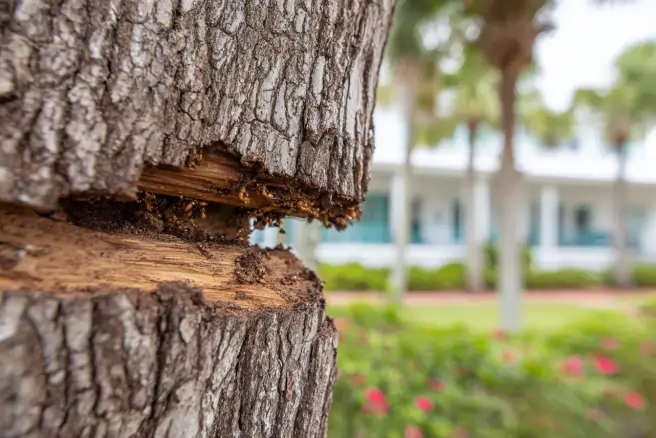
Texture of termite pest damaged wood close-up Texture of termite damaged wood close-up termite control stock pictures, royalty-free photos & images

Termites are fascinating yet often misunderstood insects that play a significant role in ecosystems. Despite their reputation as destructive pests, these social insects have evolved intricate behaviors and habits that contribute positively to the natural environment.

Understanding Behavior and Social Structure in Miami Termite Treatment

  • Workers: Responsible for gathering food, maintaining the nest, and caring for eggs and nymphs.
  • Soldiers: Defend the colony from predators such as ants or other invading species.
  • Reproductives: Includes the king and queen who are responsible for reproduction. The queen can lay thousands of eggs per day.

Communication within termite colonies occurs through chemical signals called pheromones. These signals help coordinate activities such as foraging, defense, and even reproduction.

Understanding the Feeding Habits of Pests with Miami Pest Control

Termites primarily feed on cellulose, an organic compound found in wood, plant matter, and even paper products. To digest cellulose—something humans cannot do—termites rely on symbiotic microorganisms like bacteria or protozoa within their guts. The breakdown of this material makes termites key players in recycling dead trees and plant material into nutrients that enrich the soil.

Termite Type Primary Food Source Habitat Preference
Subterranean termites Decayed wood and moist environments Underground or near soil contact
Drywood termites Dry wood (e.g., furniture or structural) No soil contact; inside wooden structures
Dampwood termites Wet or decaying wood High-moisture areas like rotting logs

Understanding the Role of a Termite Control Company in Miami’s Ecosystem

  1. Decomposers: Termites help decompose dead plant material such as logs or leaves, returning essential nutrients to the soil.
  2. Soil Aeration: As they build tunnels underground, termites aerate the soil, promoting water flow and root growth for plants.
  3. Food Source: Many animals like birds, reptiles, anteaters, and bats rely on termites as part of their diet.

Effective Solutions from a Termite Exterminator Miami Can Trust

  • Colony Resilience: If part of a colony is destroyed (for example by predators), it can often recover quickly due to its reproductive strategy.
  • Thermoregulation: In certain termite species like mound-builders (e.g., Macrotermes), individuals construct sophisticated mounds with ventilation systems designed to regulate temperature and humidity levels inside.

Understanding termite behavior not only highlights their ecological importance but also helps inform effective strategies for managing infestations when they occur in human environments. By studying these behaviors closely, humans can better balance conservation efforts with pest control measures where needed.

Effective Termite Removal Miami: How to Spot Signs of Termite Activity Indoors and Outdoors

Detecting termite activity early is crucial for preventing extensive damage to your home or property. Termites are often called “silent destroyers” because they can go unnoticed while causing significant harm. By understanding the signs of termite presence, both indoors and outdoors, you can take immediate action to mitigate risks.

Signs of Termite Activity Indoors

  • Mud Tubes: Subterranean termites construct small, pencil-width mud tubes along walls or foundations to protect themselves from open air while traveling between their nest and food sources.
  • Discarded Wings: During swarming season, reproductive termites (also called alates) shed their wings after finding a location to start a new colony. Look for small piles of transparent wings near windowsills, doors, or light fixtures.
  • Hollow-Sounding Wood: Tap on wooden surfaces around your home. If the wood sounds hollow or feels soft when pressed, it may have been hollowed out by termites.
  • Frass (Termite Droppings): Drywood termites leave behind small, pellet-like droppings known as frass. These pellets are often found near damaged wood or entry points.
  • Peeling Paint or Bubbling Walls: Moisture buildup caused by termite activity can lead to peeling paint or bubbling on surfaces like walls or ceilings.
  • Unexplained Clicking Noises: Worker termites create faint clicking sounds when eating through wood. These noises may be audible through walls during quiet moments.

Signs of Termite Activity Outdoors

  • Damaged Trees or Wooden Structures: Dead tree stumps, logs, wooden fences, and outdoor furniture may show signs of tunneling caused by termites.
  • Soil Disturbance Around Foundations: Subterranean termites often build colonies underground. Uneven soil patterns near your foundation might indicate their tunnels.
  • Mud Tubes on Exterior Walls: Check exterior walls, crawl spaces, and piers for mud tubes similar to those found indoors.
  • Wood Debris Near Buildings: Look for piles of partially chewed wood fragments around outdoor structures.

Comparing Indoor vs Outdoor Signs

Feature Indoor Indicators Outdoor Indicators
Mud Tubes Along interior walls or foundations On exterior surfaces like crawl spaces
Discarded Wings Found near light sources Less common but possible near outdoor lighting
Frass Present under infested furniture Rarely visible outdoors
Damage Type Hollow-sounding wooden beams Tunneling in dead trees/stumps

Tips for Identifying Hidden Infestations

If no visible evidence is present but a termite infestation is suspected: 1. Use a flashlight and screwdriver to inspect dark corners, attics, and basements thoroughly. 2. Tap wooden beams gently with the screwdriver handle to detect hollow areas. 3. Consider using moisture meters as damp wood attracts termites.

By being proactive in identifying these signs early on—both inside and outside—homeowners can prevent costly repairs associated with severe infestations while protecting their property effectively over time.

Effective Ways to Identify Signs of Termite Activity Indoors and Outdoors

Termites often remain hidden until significant damage occurs, making it crucial to identify early warning signs of their activity. The following guidance highlights effective ways to detect termite presence both indoors and outdoors.

Identifying Termite Activity Indoors

  • Mud Tubes: Termites build mud tubes as protective tunnels between their colony and food sources. These pencil-thick structures are commonly found along walls, ceilings, or foundations.
  • Hollow-Sounding Wood: Tap on wooden surfaces like furniture, flooring, or walls. If the wood sounds hollow or papery, termites may have eaten through its interior.
  • Frass (Termite Droppings): Drywood termites leave behind tiny wood-colored droppings resembling sawdust near wooden structures.
  • Discarded Wings: Winged termites (swarmers) shed their wings after mating flights. Piles of discarded wings near windowsills or light sources could indicate an infestation.
  • Bubbling Paint or Distorted Walls: Termites can cause moisture buildup within walls, leading to bubbles in paint or uneven surfaces.

Spotting Termite Activity Outdoors

  • Damaged Tree Stumps or Fallen Branches: Termites often target deadwood such as tree stumps or rotting branches in outdoor areas.
  • Woodpiles Close to Your Home: Check stacked firewood for small holes or tunneling that could indicate termite presence.
  • Soil Mounds Around Foundations: Subterranean termites leave distinct soil mounds in areas where they tunnel into foundations.
  • Nest Structures: Certain species like arboreal termites build nests in trees that resemble large mud masses.

Key Differences Between Indoor and Outdoor Signs

Feature Indoor Indicators Outdoor Indicators
Common Location Walls, furniture, flooring Tree stumps, soil mounds near foundation
Type of Residue Frass (droppings), discarded wings None specific
Visible Structures Mud tubes Nest formations

Tools and Techniques for Detection

  1. Use a flashlight during inspections to spot subtle details like tunnels and droppings.
  2. Employ a screwdriver or knife to probe suspicious wood for hollowness.
  3. Leverage moisture meters to detect damp areas attractive to termites.
  4. Consider using termite bait stations around the property perimeter as an additional monitoring tool.

Being vigilant about these signs can significantly reduce the risk of extensive termite damage while allowing prompt intervention steps against infestations at an early stage.

Exterminator Professional worker in protective workwear using sprayer for disinfection and disease control. Covid-19 and coronavirus pandemic concept. termite control stock pictures, royalty-free photos & images

Exploring the Most Common Types of Termites and How to Recognize Them

Termites are among the most destructive pests in the world, but not all termites are the same. There are several distinct types of termites, each with unique characteristics, behaviors, and habitats. Understanding these differences is crucial for effective identification and management. Below, we explore the most common types of termites and how to recognize them.

1. Subterranean Termites

Subterranean termites are the most widespread and economically significant type of termite. They thrive in moist environments and often build extensive underground colonies.

Key Characteristics: – Build mud tubes to travel between their colony and food sources. – Prefer softwoods but can feed on a variety of wood materials. – Colonies consist of workers (cream-colored), soldiers (larger heads with mandibles), and reproductive swarmers (dark brown or black wings during their swarming season).

Signs of Subterranean Termites: – Mud tubes along walls or foundations. – Hollow-sounding wood. – Swarmers near windowsills or light sources during mating season.

2. Drywood Termites

Drywood termites are less dependent on moisture than subterranean species, making them a threat to dry wooden structures such as furniture or attic framing.

Key Characteristics: – Colonies are smaller compared to subterranean species. – Do not require soil contact; infestations occur directly within wood. – Swarmers have clear or light-brown wings.

Signs of Drywood Termites: – Hard-to-notice fecal pellets (small grains resembling sawdust). – Wood galleries that appear smooth or polished inside. – Discarded wings near infested areas after swarming.

3. Dampwood Termites

As their name suggests, dampwood termites prefer moist wood environments such as decaying logs, stumps, or water-damaged structures.

Key Characteristics: – Larger than other termite species. – Colonies generally have fewer members compared to subterranean termites. – Found in damp areas where high moisture levels persist.

Signs of Dampwood Termites: – Wood that appears wet and damaged from moisture exposure. – Presence of frass (termite droppings) in infested areas. – Visible damage often located in basements or areas prone to leaks.

Type of Termite Habitat Preferences Key Identifier
Subterranean Moist soil Mud tubes and hollow wood; swarmers during mating season
Drywood Dry wooden structures Fecal pellets resembling sawdust; polished galleries
Dampwood High-moisture environments Found in wet/damp wood; visible damage combined with frass

4. Formosan Termites

Formosan termites, a more aggressive subset of subterranean termites, are known for causing severe structural damage in a short period due to their large colonies.

Key Characteristics: – Build large nests both underground and above ground (aerial nests). – Known for their rapid feeding habits on various types of cellulose materials.

Signs of Formosan Termites: – Extensive damage that progresses faster than typical subterranean species. – Carton-like nests made from partially chewed wood mixed with saliva.

Why Identifying the Type Matters

Correctly identifying the type of termite is essential because different species require different treatment strategies. For example: 1. Subterranean infestations: Barrier treatments or baiting systems might be necessary due to their underground tunnels. 2. Drywood infestations: Spot treatments like localized fumigation can target affected furniture without disturbing untargeted areas. 3. Dampwood infestations: Removing moisture sources is critical; repairing leaks often helps address this issue at its root cause.

By learning how to recognize these common types of termites early on, homeowners can take targeted steps toward prevention and remediation while minimizing long-term damage risks effectively.

Non-Chemical Strategies for Controlling and Preventing Termite Infestations

Managing termite infestations effectively does not always require the use of chemical treatments. Many environmentally friendly and non-chemical strategies can deter termites, protect structures, and minimize their impact on your property. Implementing these methods can help maintain a safe and termite-free environment.

1. Use of Physical Barriers

Physical barriers are one of the most effective non-chemical approaches to termite prevention. These work by creating an impenetrable layer that termites cannot cross to gain access to structures.

  • Stainless Steel Mesh: Installing stainless steel mesh during construction can block termites from entering foundation areas.
  • Sand Barriers: Certain types of sand with particle sizes too large or small for termites to navigate can be used around building foundations.
  • Concrete Slabs: Properly poured concrete slabs form another strong barrier against subterranean termites.

2. Modify the Environment Around Buildings

Termites thrive in moist, warm environments, so altering these conditions around your home or property is crucial in preventing infestations.

  • Repair leaking pipes and faucets promptly.
  • Ensure adequate drainage near the foundation to avoid water pooling.
  • Use dehumidifiers in crawl spaces or other damp areas.
  • Keep wooden structures, such as decks or fences, elevated above the soil.
  • Store firewood away from your house and off the ground.
  • Maintain proper airflow in attics, basements, and crawl spaces to prevent moisture buildup.

3. Natural Predators

Encouraging natural termite predators can help reduce their population without introducing chemicals into the environment.

  • Nematodes: Microscopic parasitic worms can be introduced into soil where termites are active. They infect and kill termites naturally.
  • Birds and Lizards: Attracting certain bird species or reptiles that feed on termites may serve as a supplemental control method.

4. Use of Resistant Building Materials

Material Type Benefits
Pressure-treated wood Less appealing to termites
Concrete Impervious to termite activity
Steel Durable and termite-proof

5. Regular Inspections

  • Check wooden structures for cracks or hollow sounds when tapped.
  • Inspect crawl spaces for mud tubes or damaged wood.
  • Monitor outdoor areas such as tree stumps, mulch beds, and fence posts for signs of activity.

Benefits of Non-Chemical Control Methods

  1. Environmentally friendly with no harm to beneficial insects or plants.
  2. Safer alternative for homes with children or pets present.
  3. Long-term cost savings through preventive measures rather than reactive treatments.

By integrating these non-chemical approaches into your pest management plan, you can create an effective defense against termites while promoting a healthier environment both indoors and outdoors.

When Should You Consider Professional Help for a Severe Termite Problem

Termites are persistent pests capable of causing significant structural damage to homes and buildings. While some infestations can be managed through preventative measures or DIY methods, there are instances where professional intervention is essential. Below, we explore scenarios in which consulting a pest control professional becomes critical, providing guidance on when homeowners should seek expert assistance.

1. Extensive Structural Damage

When termite damage compromises the integrity of your home, it is time to call in the professionals. Signs that may indicate severe structural issues include: – Sagging floors or ceilings – Crumbling woodwork or hollowed-out wood – Doors and windows that no longer fit properly due to warped frames

A professional pest control company will conduct a comprehensive inspection to assess the extent of the damage and recommend effective treatment options.

2. Widespread Infestation

If termites have spread throughout multiple areas of your property, managing them becomes increasingly challenging without professional expertise. Evidence of widespread infestation includes: – Multiple mud tubes along walls and foundations – Termite activity in several rooms or outdoor structures – Frequent sightings of live termites around your property

Pest control experts use advanced techniques such as baiting systems, liquid termiticides, or fumigation to eradicate widespread colonies.

3. Difficulty Identifying the Source

Termites often inhabit hidden areas that are difficult to access or detect without specialized tools. Professionals are equipped with technology like infrared cameras and moisture meters to locate colonies efficiently. Common hidden infestation sites include: – Beneath floors and behind walls
– Inside attic spaces
– Within crawlspaces and basements

Identifying the source of an infestation is vital for targeted treatment.

4. Ineffective DIY Treatments

Home remedies can be helpful for minor termite issues but may fail against larger infestations. If you’ve tried methods such as: – Applying boric acid
– Using nematodes
– Spraying natural repellents

… yet still notice termite activity, it’s time to reach out to a licensed exterminator who can deploy proven solutions tailored to your situation.

5. Presence of Hard-to-Control Termite Species

Certain termite species are particularly destructive or resistant to standard treatments, such as: | Species | Characteristics | |———————–|—————————————————————-| | Subterranean termites | Build extensive underground colonies; highly destructive | | Drywood termites | Live within wooden structures; difficult to detect early | | Formosan termites | Aggressive species known for rapid colony expansion |

Professionals understand the unique habits of each species and can implement effective elimination strategies.

Benefits of Hiring Professionals

Engaging licensed pest control providers offers several advantages: – Expert Assessment: Accurate identification of termite type and infestation severity. – Advanced Methods: Access to industry-grade chemicals, baits, and equipment. – Long-Term Solutions: Preventative measures such as barrier treatments and regular inspections.

By recognizing when professional help is necessary, homeowners can protect their properties from further damage while ensuring peace of mind for years ahead.


How Miami Pest Control Experts Address Termite Infestations

termites damage home, macro close up termites in anthill termites damage home, macro close up termites in anthill termite control stock pictures, royalty-free photos & images

Eliminating termites and ensuring they do not return is a critical task for homeowners. Termites are not only destructive but can cause costly structural damage if left untreated.

Steps to Eliminate Termites

  1. Identify the Type of Termite
    Understanding the species of termite in your home is crucial in determining the right treatment method.
  2. Subterranean termites: Live underground and build mud tubes for access to food sources.
  3. Drywood termites: Nest inside dry wood structures, such as furniture or building components.
  4. Inspect Your Home Thoroughly
    Conduct a detailed inspection, searching for key signs such as mud tubes, damaged wood, droppings (frass), and discarded wings near windows or doors.
  5. Apply Targeted Treatments
    There are several proven methods to eliminate existing colonies:
  6. Liquid termiticides: These create a barrier that kills termites on contact or when ingested.
  7. Termite baits: Slow-acting toxins placed strategically around your property attract termites and spread poison to their colony.
  8. Boric acid applications: Effective for direct application on wooden structures where activity is noted.
  9. Use Fumigation for Severe Infestations
    If the colony is large or widespread within your home, professional fumigation may be necessary.

Preventive Measures to Avoid Future Infestations

  1. Fix leaking faucets, pipes, and air conditioning units promptly.
  2. Ensure proper drainage around the foundation to keep soil dry.
  3. Avoid placing untreated wood directly on soil or close to your home’s foundation.
  4. Use concrete bases or steel supports when installing wooden structures outdoors.
  5. Repair cracks in foundations, walls, and roofing.
  6. Replace damaged weatherstripping around doors and windows.
  7. Keep firewood, mulch, lumber, and other cellulose-rich materials at least 20 feet away from your house.
  8. Regular InspectionsSchedule professional termite inspections annually to detect signs early and prevent significant damage.

Table: Summary of Key Methods

Method Purpose Best For
Liquid Termiticides Create barriers & kill termites Subterranean termite control
Baiting Systems Spread toxins through colonies Long-term control & prevention
Boric Acid Application Direct spot treatments Drywood termite infestations
Fumigation Eliminate entire colonies Severe or widespread infestations

By combining immediate treatment with long-term prevention strategies, you can protect your home from further damage while ensuring that termites do not become a recurring problem in the future.

Effective Miami Termite Treatment: Tackling the Causes of Infestations

Termite infestations can cause significant damage to structures and property, making it essential to understand the factors that contribute to their presence. By identifying these causes, homeowners can take proactive measures to prevent infestations before they become severe.

Common Causes of Termite Infestations

  1. Moisture Issues
    Termites thrive in moist environments, as they require water to survive. High humidity levels and sources of standing water around a property often serve as an open invitation for termites.
  2. Leaky pipes or faucets
  3. Poor drainage systems leading to pooling water near foundations
  4. Roof leaks that create damp conditions in attics or walls
  5. Improper ventilation in crawl spaces or basements
  6. Wood-to-Soil Contact
    Subterranean termites build colonies underground and access food sources through tunnels. Wood that comes into direct contact with soil provides easy access for termites.
  7. Wooden posts, beams, or decks directly embedded in the ground
  8. Mulch placed too close to home foundations
  9. Firewood stored against exterior walls
  10. Cracks and Openings in Structures
    Even small cracks in the foundation, walls, or rooflines can allow termites to enter a home undetected. These tiny gaps provide entry points that termites use to reach interior wood structures.
  11. Gaps around utility lines and plumbing fixtures entering the house
  12. Faulty seals around doors or windows
  13. Proximity to Natural Termite Habitats
    Homes located near dense vegetation, forests, or areas with decaying wood are naturally more prone to termite infestations due to their proximity to termite colonies’ natural habitats.
  14. Use of Untreated Wood Materials
    Building materials made from untreated wood are highly susceptible to termite activity compared to treated wood products designed with pest resistance in mind.

Key Prevention Strategies

Cause Prevention Tip
Excessive Moisture Fix leaks promptly; ensure proper drainage systems are installed
Wood-to-Soil Contact Use treated lumber; maintain at least an 18-inch gap between soil and wood
Structural Cracks Regularly inspect and seal any visible cracks or gaps
Proximity to Vegetation Keep landscaping trimmed back at least 12 inches from the foundation
Untreated Wood Invest in treated building materials for construction/renovation projects

By addressing these contributing factors systematically, homeowners can significantly reduce their risk of experiencing a termite infestation while also safeguarding their property investments over time.

Effective Miami Termite Control to Eliminate and Prevent Infestations

Termites are persistent pests that can cause significant damage to homes and properties. Understanding the common causes of a termite infestation is essential in taking preventive measures and protecting your home. Below is an in-depth look at the factors that contribute to termite infestations.

Excess moisture is one of the most significant contributors to termite infestations, as termites thrive in damp environments.
Leaking pipes:Faulty plumbing can create damp areas within walls, floors, or crawl spaces where termites can thrive.
Poor drainage:Water that collects near a home’s foundation due to poor drainage systems can attract termites.
High humidity levels:Basements or crawl spaces with limited ventilation may retain excess humidity, making them ideal for termites.

Prevention Tip:Regularly inspect for leaks and ensure proper ventilation in high-moisture areas to reduce the risk of termite activity.

Structures that have direct wood-to-soil contact provide easy access for termites to infest a property.
– Wooden decks or fences directly touching soil
– Exterior wood siding extending into the ground
– Untreated wooden posts used for construction

Prevention Tip:Use treated wood for outdoor structures and maintain at least an 18-inch gap between soil and any wooden parts of your home.

Termites can gain access through tiny cracks or crevices in a building’s foundation, walls, or floors. These entry points allow them to infiltrate undetected until the damage becomes severe.

Prevention Tip:Seal cracks with caulking materials or other appropriate sealants to block termite entry points.

Homes located near wooded areas, piles of dead trees, or even mulch beds are at greater risk since these environments are natural habitats for termites.

Common Risk Factors Examples
Deadwood materials Logs, stumps, fallen branches
Landscaping practices Mulch too close to foundations

Prevention Tip:Keep landscaping features such as mulch and firewood stored away from your home’s exterior.

Many homeowners unintentionally encourage termite infestations by storing wood materials too close to their homes.

Prevention Tip:Store firewood at least 20 feet away from your house and elevate it off the ground whenever possible.

By addressing these common causes proactively, you can significantly reduce the chances of encountering a costly termite problem in your home. Regular maintenance and inspections play a crucial role in keeping termites at bay while also preserving your property’s structural integrity over time.

Specialists in protective suits do disinfection or pest control in the apartment. Specialists in protective suits do disinfection or pest control in the apartment. termite control stock pictures, royalty-free photos & images

Effective Solutions from a Trusted Termite Control Company in Miami

Termite infestations can cause severe structural damage to your home if left untreated. It is essential to adopt a comprehensive approach to eliminate termites and ensure they do not return. This guide outlines effective methods for eradicating termites, from initial detection to long-term prevention strategies.

Step 1: Identify the Type of Termite

Understanding the species of termite infesting your home is critical for selecting the most effective treatment method.

  • Subterranean termites: These live in soil and build mud tubes for accessing wood.
  • Drywood termites: Found inside wood structures, they do not require contact with soil.
  • Dampwood termites: Prefer moist wood and are less common.

Proper identification helps determine whether you need ground-based treatments, direct application methods, or other solutions.

Step 2: Use Targeted Treatments

Once the termite species has been identified, apply treatments designed to specifically address their behavior and habitat.

  1. Effective for subterranean species.
  2. Bait stations are strategically placed around your property.
  3. Poisoned bait lures worker termites, which then spread the toxin within the colony.
  4. Ideal for long-term control and undetectable infestations.
  5. Utilize borate-based products to protect wood from drywood or dampwood termites.
  6. Borates act as both a preventative measure and a treatment option by penetrating deep into wooden surfaces.

Step 3: Address Structural Vulnerabilities

  • Fix leaks in pipes, faucets, or roofs that create damp environments favored by many termite species.
  • Use caulk or construction sealants on gaps around windows, doors, foundations, or vents where termites might enter.
  • Remove sections of infested wood that cannot be salvaged and replace them with treated timber resistant to pests.

Step 4: Implement Long-Term Preventative Measures

Prevention is just as important as extermination when dealing with termites.

Prevention Method Description
Regular Inspections Conduct yearly inspections of your property by professionals or trained individuals.
Soil Barriers Apply termiticide barriers in soil during construction or renovation projects.
Landscaping Adjustments Keep landscaping features like mulch beds at least 12 inches away from the foundation of your home.
Proper Storage Store firewood or wooden debris above ground level and far from your house.

Integrated Pest Management (IPM)

For thorough termite elimination, consider employing an Integrated Pest Management strategy that combines chemical treatments with environmental modifications and regular maintenance practices. This holistic approach minimizes reliance on chemicals while increasing overall effectiveness.

By following these comprehensive steps—including precise identification, targeted treatments, structural adjustments, and preventative measures—you can effectively rid your property of termites while minimizing their chance of resurgence.

How to Know When to Call a Termite Exterminator Miami Experts Recommend

When dealing with termites, it is critical to assess the scale of the infestation and determine whether professional intervention is necessary. While DIY methods can sometimes address minor issues, certain situations demand the expertise of trained pest control professionals. Knowing when to call for assistance can save your home from extensive damage and costly repairs.

Indicators That You Need a Professional

  1. If termites have caused visible damage to large sections of wood, walls, or flooring, the infestation may be too extensive for home remedies.
  2. Structural damage that compromises your home’s integrity should always be evaluated and treated by professionals.
  3. When DIY treatments fail to eliminate termites entirely or new activity is detected shortly after treatment, it’s time to call a professional.
  4. Recurring termite issues often indicate an underlying problem that requires expertise to resolve.
  5. Subterranean termites build colonies underground and are notoriously difficult to locate and remove.
  6. Their intricate tunnels often require specialized knowledge, tools, and treatments such as soil termiticides or baiting systems.
  7. Some termite species may not respond effectively to general treatments available over-the-counter.
  8. Professionals can identify the exact species and tailor targeted solutions for them.
  9. Severe infestations involving drywood termites may necessitate fumigation—a process best handled by licensed experts due to its complexity and safety requirements.

Benefits of Calling a Professional

  • Thorough Inspection:Pest control experts use advanced technologies like moisture meters and infrared cameras to detect termite presence in hidden areas.
  • Customized Treatment Plans:Professionals tailor their methods based on the type of termite species, severity of infestation, and structural composition of your home.
  • Long-Term Prevention:Ongoing monitoring programs provided by professionals ensure that termite issues are addressed before they escalate again.

Comparing Costs: DIY vs.

Factor DIY Approach Professional Services
Cost Generally low upfront cost Higher initial cost but long-term value
Effectiveness May work on small infestations Suitable for severe or recurring problems
Time Investment Requires significant personal effort Minimal; handled by experts
Risk Potential for ineffective results Guaranteed treatments with warranties

Selecting the Right Pest Control Company

Choosing a reputable pest control service is vital when addressing serious termite infestations.

  • Are licensed and certified in pest management.
  • Offer free inspections or consultations before treatment begins.
  • Provide warranties on their services as assurance of effectiveness.
  • Have positive customer reviews reflecting their reliability and professionalism.

Taking swift action during severe termite incidents ensures thorough removal while minimizing long-term structural damage caused by these destructive pests.

Advanced Solutions for Termite Removal Miami: Baiting Systems, Fumigation, and More

Effective termite control often requires advanced techniques, especially when infestations are extensive. Modern methods such as baiting systems and fumigation have revolutionized pest management by offering targeted and efficient solutions. Here’s an in-depth look at these approaches and other advanced strategies for dealing with termites.

Baiting Systems: A Targeted Approach

Baiting systems are among the most efficient solutions for termite control.

Key Benefits of Baiting Systems:Targeted Elimination:Only affects termites without harming other species.Reduced Use of Chemicals:Minimizes environmental impact compared to traditional chemical treatments.Long-Term Solution:Can prevent future infestations when maintained properly.

How Baiting Works:| Step | Description | |——|————-| | 1 | Installation of bait stations around key areas like foundations or near termite activity. | | 2 | Termites feed on bait containing slow-acting insecticides. | | 3 | Bait is carried back to the colony, affecting more termites over time.

While effective when used correctly, baiting requires periodic monitoring and maintenance by trained professionals to ensure success.

Fumigation: Comprehensive Infestation Control

Fumigation is one of the most robust solutions for severe termite infestations in structures like homes or large buildings. It involves sealing off the property with tarps or plastic sheets before introducing a fumigant gas into the space to eliminate all termites present.

Advantages of Fumigation:Widespread Reach:Effective against both drywood and subterranean termites.Complete Eradication:Targets all stages of termite life cycles, from eggs to adults.Fast Results:Entire process typically completes within a few days.

Preparation Checklist for Fumigation:– Remove pets and plants from your home. – Store food items in airtight containers or remove them entirely. – Arrange alternative accommodations during fumigation.

While this method is highly effective, it’s important to note that fumigation does not provide long-term prevention. Homeowners should follow up with preventive measures after treatment.

Additional Advanced Solutions

  1. Soil Treatments:Application of liquid termiticides around building foundations creates a protective barrier against subterranean termites.
  2. Wood Treatments:Treat wood surfaces with termiticides or borate-based products to repel and kill termites upon contact.
  3. Infrared Detection Technology:This non-invasive method helps detect hidden infestations early using thermal imaging devices.
  4. Microwave Treatments:A chemical-free solution where targeted heat kills termites inside wooden structures without damaging materials.

Choosing the Right Solution

Deciding on an advanced termite control method depends on factors like: – The type of termite infestation (drywood vs subterranean). – The severity of damage caused by termites. – Accessibility of infestation sites within your property.

Consultation with pest management professionals ensures proper assessment and implementation tailored to your specific needs.

By combining these advanced solutions with routine inspections and preventive measures, homeowners can effectively eliminate existing colonies while deterring future infestations.


Effective Miami Termite Treatment to Protect Your Home

Close-Up of Eastern Subterranean Soldier Termite in Natural Habitat Close-Up of Eastern Subterranean Soldier Termite in Natural Habitat termite control stock pictures, royalty-free photos & images

Termites are among the most destructive pests that homeowners encounter. Here are several strategies for effectively getting rid of termites in your home.

  • Subterranean termites: These live underground and require contact with soil to build mud tubes for movement.
  • Drywood termites: These live inside dry wood, including furniture, flooring, or structural wood.

Knowing the species helps determine the appropriate treatment method.

  • Liquid termiticides: Applied to soil around your home to create a chemical barrier.
  • Fumigation: Effective for severe drywood termite infestations.
  • Bait stations: Installed around your property to attract and poison termite colonies.
Chemical Products:
  • Foam-based insecticides: Injected directly into affected wood or visible mud tubes.
  • Termite baits: Placed strategically outdoors near active colonies.
Natural Options:
  • Essential oils like orange oil or neem oil: Known for their insecticidal properties.
  • Diatomaceous earth (DE): Sprinkled in areas where termites are suspected; it dehydrates and kills them on contact.

Termites thrive on cellulose-based materials such as wood, paper, and cardboard.

  • Keep firewood and wooden debris away from your home’s foundation.
  • Store cardboard boxes off floors and away from walls.
  • Fix any leaks that may increase moisture levels around wooden structures.
Prevention Technique Description
Seal cracks and gaps Close entry points near foundations, windows, and doors
Repair damaged wood Replace wood that has been compromised by moisture or decay
Maintain proper ventilation Reduce humidity levels inside crawl spaces or basements
Regular inspections Schedule annual checks by a professional pest control service

By addressing both existing infestations and potential vulnerabilities around your property, you can effectively manage termite problems while minimizing risks of recurrence.

Adopting a proactive approach through regular inspections and maintenance is key to ensuring that termites will not undermine the safety or value of your property over time.

Effective Miami Pest Control: Top Methods for Eliminating Termites with Beneficial Nematodes

Beneficial nematodes are microscopic, worm-like organisms that serve as an eco-friendly and effective solution for controlling termite infestations. These natural predators are known to target and eliminate termites without the use of harsh chemicals, making them a popular choice for homeowners seeking sustainable pest control methods. Below, we explore how beneficial nematodes can help combat termites and outline best practices for their application.

What Are Beneficial Nematodes?

Beneficial nematodes are naturally occurring organisms that live in soil and prey on a variety of pests, including termites. Once the host dies, nematodes reproduce inside the termite’s body and continue to seek out additional targets.

Key Features of Beneficial Nematodes: – Eco-Friendly:Non-toxic to humans, pets, and plants.Targeted Action:Sustainable:Naturally degrades over time in the soil.

How to Use Beneficial Nematodes Against Termites

  1. Identify the Infested Area:Locate termite activity by inspecting wooden structures, mud tubes, or areas with hollow-sounding wood.
  2. Purchase Quality Beneficial Nematode Products:Obtain nematode formulations from reputable suppliers to ensure high viability and effectiveness.Steinernema carpocapsae and Heterorhabditis bacteriophora.
  3. Mix nematodes with water according to product instructions.
  4. Use immediately after preparation as they are sensitive to UV light and extreme temperatures.
  5. Spray or pour the solution into termite nests, mud tubes, or infested wood.
  6. Apply during early morning or late afternoon when UV exposure is minimal.
  7. Repeat as Needed:Reapply every 7-10 days if signs of termite activity persist.

Benefits of Using Nematodes for Termite Control

Advantages Details
Environmentally Safe Does not introduce toxic substances into your home or environment.
Easy Application Can be applied using simple tools such as spray bottles or hoses.
Cost-Effective Affordable compared to professional extermination services.
Long-Term Protection Reproduces in soil to provide ongoing protection against pests.

Best Practices for Maximizing Effectiveness

  • Store nematode products in a cool environment (refrigeration recommended) until use.
  • Test soil moisture before application; adequate moisture levels support nematode movement.
  • Avoid applying during hot or dry conditions as this can reduce their survival rate.

By integrating these practices into your pest control routine, you can ensure that beneficial nematodes effectively reduce termite populations while maintaining ecological balance in your home environment.

Effective Solutions from a Termite Control Company in Miami Using Beneficial Nematodes

Beneficial nematodes are microscopic, parasitic worms that serve as a natural and effective way to eliminate termites. These organisms prey on termite larvae and adults, helping to reduce infestations without the use of harmful chemicals. Below is an in-depth look at how beneficial nematodes work, their advantages, and the steps for applying them effectively.

How Beneficial Nematodes Work Against Termites

Beneficial nematodes function as biological control agents by targeting termites directly.

  • Infection Stage:Once applied to the affected area, nematodes seek out termite hosts by detecting carbon dioxide and heat emitted by the pests.
  • Parasite Infiltration:Nematodes enter termites through their natural openings such as spiracles (respiratory pores).
  • Reproduction Within Hosts:Inside the termite’s body, nematodes release bacteria that kill the host within 24-48 hours. The bacteria not only kill the termite but also provide nutrients for the nematode to reproduce.
  • Spread of Infection:Newly hatched nematodes move on to infect other nearby termites.

Advantages of Using Beneficial Nematodes

  1. Eco-friendly Solution:Unlike chemical pesticides, nematodes pose no risk to humans, pets, plants, or other wildlife.
  2. No Residual Toxicity:Since they are living organisms rather than synthetic chemicals, there is no risk of lingering toxins in your home environment.
  3. Versatility:They can target multiple types of termites including subterranean species.
  4. Sustainability:Once introduced into an area, nematode populations may persist in soil over time if sufficient prey (like termites) is present.
Feature Chemical Pesticides Beneficial Nematodes
Environmental Impact High Low
Safety for Humans Potentially Harmful Safe
Effectiveness High High
Long-Term Presence No Yes

Steps for Applying Beneficial Nematodes

  1. Obtain live nematode cultures from reputable gardening centers or online suppliers who specialize in pest control products.
  2. Ensure you choose species effective against termites (e. g.Steinernema carpocapsae).
  3. Mix the purchased nematode solution with water according to package instructions.
  4. Use a spray bottle or garden sprayer for even distribution.
  5. Target areas where termite activity has been observed such as:
    • Soil near wood structures
    • Mulch beds around foundations
    • Cracks in concrete slabs
  6. Apply early in the morning or late evening when sunlight is minimal since UV rays can kill exposed nematodes.
  7. After application, keep the treated areas moist for at least two weeks to support nematode movement and survival.
  8. Reapply every 7-10 days until signs of infestation diminish significantly.

Best Practices When Using Beneficial Nematodes

To maximize effectiveness while ensuring safety: – Avoid using chemical treatments that may harm or repel the living organisms before or after applying beneficial nematodes. – Store unused cultures in a cool environment (e. g. , refrigerator) until ready for use; however, do not freeze them. – Monitor treated areas regularly for signs of reduced termite activity.

By integrating beneficial nematodes into your pest management plan, you can effectively combat termites while maintaining ecological balance around your home.

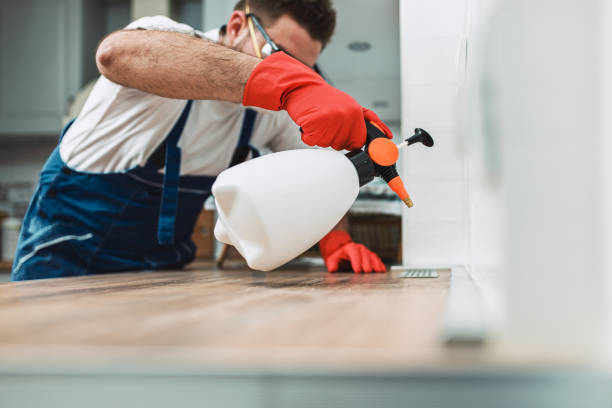
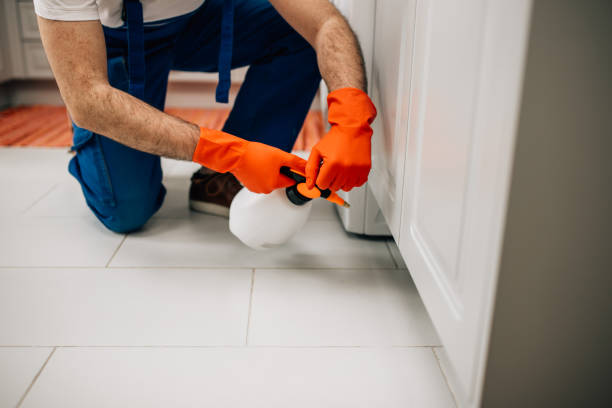
Exterminator working Professional exterminator in protective workwear spraying pesticide in apartment kitchen. termite control stock pictures, royalty-free photos & images

Effective Tips from a Termite Exterminator Miami on Using Boric Acid for Termite Problems

Boric acid is a popular and effective solution for managing termite infestations. It is widely recognized for its ability to eliminate termites by disrupting their digestive systems and dehydrating them. This method is not only affordable but also less toxic compared to many chemical pesticides, making it a preferred choice for homeowners seeking a safer solution.

How Boric Acid Works Against Termites

Boric acid works by targeting the termites’ internal systems. Once ingested, it interferes with their metabolism and damages their nervous system. Over time, this results in the dehydration and eventual death of the termite. Additionally, when applied to surfaces or structures, boric acid creates a barrier that deters termites from infesting treated areas.

Step-by-Step Guide to Using Boric Acid

  1. Mix boric acid powder with water until it forms a solution.
  2. Alternatively, use pre-made borate sprays available in stores.
  3. Look for signs of termite activity such as mud tubes, damaged wood, or hollow-sounding timber.
  4. Pay attention to entry points like cracks, crevices, or joints where termites might access wood structures.
  5. Spray or brush the solution onto wooden structures that are infested or at risk.
  6. Dust boric acid powder directly into cracks, crevices, or holes where termites may be present.
  7. Inspect treated areas regularly to ensure effectiveness.
  8. Reapply boric acid every few weeks to maintain protection until all signs of termites are eliminated.

Benefits of Using Boric Acid

  • Cost-Effective:Compared to professional extermination services or other chemical treatments, boric acid is much more budget-friendly.
  • Non-Toxic for Humans (When Used Correctly):While it should still be handled with care, boric acid is less hazardous than many chemical pesticides when used as directed.
  • Eco-Friendly:It poses minimal harm to the environment compared to synthetic insecticides.
  • Long-Lasting Protection:Treated areas remain resistant over time if maintained properly.

Precautions When Using Boric Acid

  • Wear gloves and a mask when handling boric acid powder or applying sprays.
  • Keep it out of reach of children and pets as ingestion can still be harmful.
  • Avoid excessive application near food preparation areas or open water sources.
Pros of Using Boric Acid Cons of Using Boric Acid
Affordable and widely available Requires multiple applications
Effective against most termites May not penetrate deep infestations
Safer than many pesticides Can harm pets if improperly used

Using boric acid effectively reduces termite populations without resorting to more aggressive extermination methods immediately. While it requires persistence and careful application, this solution provides an excellent balance between safety, cost-effectiveness, and efficiency in addressing termite problems in residential spaces.

Effective Termite Removal Miami: Using Boric Acid as a Solution

Boric acid has long been recognized as an effective method for addressing termite infestations. Its affordability, availability, and relative safety make it a popular choice among homeowners seeking to protect their property. This guide explores the use of boric acid in combating termites and how it can be effectively applied in residential settings.

What is Boric Acid?

Boric acid is a naturally occurring compound that is derived from boron. It is widely used in various household applications such as pest control, cleaning agents, and even antiseptics. For termites, boric acid works by disrupting their digestive systems and causing dehydration, ultimately leading to their extermination.

Benefits of Using Boric Acid

  • Non-Toxic for Humans:Compared to other chemical pesticides, boric acid poses minimal risks to humans and pets when used correctly.
  • Cost-Effective:It provides an economical solution for termite control compared to professional extermination services.
  • Eco-Friendly:Boric acid degrades naturally over time and does not significantly harm the environment when applied responsibly.
  • Multi-Pest Use:In addition to termites, it works against ants, cockroaches, and other pests.

How to Use Boric Acid for Termite Control

  1. Mix equal parts of sugar or honey with boric acid powder.
  2. Place the bait near areas with visible termite activity (e. g. , wood piles or mud tubes).
  3. Monitor these spots regularly and replenish bait as necessary.
  4. Create a boric acid solution by dissolving the powder in water (1 cup of boric acid per gallon of water).
  5. Use a spray bottle or brush to apply the solution directly onto wooden surfaces affected by termites.
  6. Repeat this process every few weeks until no further signs of termites are observed.
  7. Drill small holes into termite-infested wood where mud tubes or hollow sounds are detected.
  8. Insert powdered boric acid into the holes using a bulb duster or applicator tool.
  9. Seal the holes with wood putty afterward to prevent dust leakage.

Precautions When Using Boric Acid

  • Avoid direct contact with skin or eyes; wear gloves while handling.
  • Keep away from children and pets; store unused powder securely in labeled containers.
  • Do not use excessive amounts near outdoor plants as it may affect soil quality over time.
Aspect Recommendation
Application Frequency Every 2-3 weeks
Best Storage In airtight containers
Safety Equipment Gloves & protective eyewear

Signs That Boric Acid Treatment is Working

  • A reduction in visible termite activity around treated areas.
  • Disappearance of mud tubes on walls or wooden surfaces.
  • Decreased damage (e. g. , no new wood shavings or hollowed-out sections).

By using boric acid properly alongside preventative measures like sealing cracks and reducing moisture levels around your home, you can achieve long-term protection against termites while minimizing environmental impact.

Effective Miami Termite Control: Sealing Cracks to Prevent Infestations

Termites are one of the most destructive pests, capable of causing significant damage to homes and structures. Preventing a termite infestation is often easier and less expensive than eliminating one. One highly effective method for keeping termites at bay is sealing cracks and crevices in your home. This practice not only reduces the likelihood of termites entering your home but also helps maintain its structural integrity.

Why Sealing Cracks is Important

Termites access a structure through small gaps, cracks, or openings in walls, foundations, and other areas. These entry points allow them to invade undetected and begin feeding on wood or other cellulose-based materials. Sealing these vulnerabilities creates a physical barrier that prevents termites from gaining access to your property.

Key reasons for sealing cracks include:
Prevention of termite entry:Many subterranean termite species build mud tubes that allow them to travel into homes via small gaps in foundations or walls.Improved energy efficiency:Filling gaps not only deters pests but also reduces drafts and energy costs.Reduction in moisture buildup:Cracks can allow water to seep into your home, creating the humid conditions termites thrive in.

Common Areas Where Cracks May Exist

Inspecting your property thoroughly can help you identify potential entry points for termites.

Area Description Possible Issues
Foundation Check for gaps or cracks near the base of your home. Allows subterranean termites easy access.
Walls Inspect exterior walls for small openings or damage to siding. Termites may enter through unseen holes.
Door frames Gaps around doors can serve as entry points. Particularly common with wooden frames.
Window frames Look for cracks where windows meet walls or sills. Moisture near windows attracts termites.
Plumbing penetrations Check around pipes entering through walls or floors. Termites often travel along pipes into homes.

Steps to Seal Cracks Effectively

  1. Inspect Your Property Regularly
    Conduct routine inspections both inside and outside your home to identify potential problem areas where gaps exist.
  2. Clean the Surface Area
    Before sealing any crack, ensure it is free of dirt, debris, and moisture so that sealants adhere properly.
  3. Use caulk for smaller cracks (less than 1/4 inch wide). Silicone-based caulk is durable and waterproof.
  4. For larger gaps, consider expanding foam sealant or cement-based fillers.
  5. Focus on Vulnerable Areas
    Pay close attention to areas prone to termite activity such as foundations, crawl spaces, utility lines, and exterior wooden features.
  6. Reinforce Weak Structures
    Replace damaged wood with treated timber that resists decay and insect damage.
  7. Maintain Moisture Control
    Use dehumidifiers or fix leaks near sealed areas to avoid creating conditions conducive to termite infestations.

Maintenance Tips

Sealing cracks is not a one-time process; it requires regular upkeep:
– Reapply caulk annually if necessary. – Monitor sealed areas during seasonal changes as temperature fluctuations can cause materials to expand or contract. – Address new damage caused by weathering promptly.

By prioritizing crack-sealing techniques alongside other preventive measures such as moisture control and regular inspections, you can significantly reduce the risk of termite infestations while safeguarding your home from costly repairs long-term.

Exposing Wood to Sunlight as a Natural Method to Deter Termites

Termites are notorious for their destructive habits, particularly when it comes to wooden structures in homes. While chemical treatments and professional pest control are often used, many homeowners prefer natural methods to address the problem. One such method is exposing wood to sunlight, a practice that can help deter termites and protect your property.

Why Sunlight Deters Termites

Termites thrive in dark, damp environments and are highly sensitive to temperature changes and UV light.

  • Drying out moisture:Termites require moisture to survive. Sunlight helps evaporate excess dampness from wood, making it less attractive for termites.
  • UV radiation:The ultraviolet rays from sunlight can directly harm termites, as they cannot tolerate prolonged exposure.
  • Temperature sensitivity:High temperatures caused by direct sunlight can kill termites or force them out of infested areas.

Steps for Using Sunlight as a Termite Deterrent

  1. Inspect furniture, wooden beams, or other wooden objects that show signs of termite infestation (e. g. , hollow-sounding wood, mud tubes).
  2. If practical, relocate smaller wooden items like furniture or décor pieces into direct sunlight.
  3. Ensure the area where you place these items has at least 6–8 hours of uninterrupted sun exposure daily.
    • Trim surrounding shrubs or vegetation that might block sunlight.
    • Ensure proper ventilation around the structure so sunlight reaches concealed areas.
  4. Check the exposed wood periodically for any remaining signs of termite activity.
  5. Rotate items if necessary to ensure all parts receive adequate sun exposure.

Limitations of Using Sunlight Against Termites

Limitation Explanation
Limited scope Only feasible for movable wooden objects or surfaces with access to direct sunlight
Dependence on weather Requires consistent sunny weather; less effective during cloudy seasons
Not a complete solution May not entirely eradicate termites within deep crevices or underground colonies

Enhancing Effectiveness with Additional Practices

  • Combine this method with other natural remedies such as applying boric acid or using neem oil on affected areas.
  • Regularly inspect surrounding soil and foundations for potential termite colonies and take preventive measures like sealing cracks.

By leveraging the power of nature through methods like exposing wood to sunlight and integrating complementary practices, you can create an environment that significantly reduces the likelihood of termite infestations while minimizing reliance on chemicals.


Expert Tips for Miami Termite Control to Eliminate Subterranean Termites

Spraying, disinfection and decontamination Professional worker in protective workwear reading checklist about house disinfection plan. termite control stock pictures, royalty-free photos & images

Subterranean termites are among the most destructive pests that can invade your home. Detecting their presence early is crucial to prevent severe structural damage. By knowing the warning signs, homeowners can take prompt action to mitigate potential risks.

Common Signs of a Termite Infestation

  • Mud Tubes
    Mud tubes, also known as shelter tubes, are thin trails of soil and debris created by termites to travel between their colony and food sources. These tubes are typically found on walls, foundations, or other structures close to the ground.
  • Discarded Wings
    After mating swarms (known as alates), termites shed their wings. Finding piles of discarded wings near windowsills or doorways is often one of the first visible signs of an infestation.
  • Damaged Wood
    Subterranean termites eat wood from the inside out. Tap wood surfaces with a screwdriver or hammer—if it sounds hollow or breaks easily, it could indicate termite damage.
  • Frass (Termite Droppings)
    Though more common with drywood termites than subterranean ones, frass may sometimes be observed near wood structures. Subterranean termites often use excrement to reinforce mud tunnels instead.

Visual Evidence: Comparison Table for Termite Indicators vs Non-Termite Damage

Signs Caused by Termites? Description
Mud Tubes Yes Thin tunnels made from soil and saliva
Discarded Wings Yes Leftover termite wings after reproductive swarms
Hollow-Sounding Wood Yes Internal feeding weakens wooden structures
Water Damage-Like Spots Maybe (or water leaks) Check for moisture-triggered decay if no mud tube exists

Areas Around Homes Most Susceptible to Termites

  1. Foundation Walls: Cracks in foundations act as entry points for subterranean colonies.
  2. Basements: Damp environments attract termites seeking humidity.
  3. Wooden Flooring & Furniture: Especially when placed directly on soil or concrete.
  4. Crawl Spaces: Poorly ventilated spaces create ideal conditions for termite infestations.

How To Differentiate Between Termites & Other Pests

  • Termites have straight antennae, while ants have elbowed ones.
  • The body shape differs: ants have constricted waists; termites’ bodies are uniform.
  • Wing size also varies – both pairs of termite wings are equal in length compared to uneven-sized ant wings.

By observing these warning signs regularly and performing inspections around vulnerable areas in your home, you can detect infestations early before significant damage occurs. Prevention remains key when protecting your property from these silent destroyers.

Effective Miami Termite Treatment: How to Identify the Warning Signs of an Infestation

Subterranean termites are among the most destructive pests homeowners can face, causing billions of dollars in damage annually. Eliminating them requires a strategic and informed approach. This guide explores effective methods that target these persistent pests while protecting your home.

1. Chemical Treatments

  • Liquid Termiticides:
    Liquid termiticides create a barrier in the soil around your property to block or kill termites as they attempt to enter your home. Commonly used chemicals include fipronil and imidacloprid.
Chemical Name Mode of Action Benefits
Fipronil Disrupts termite nervous system Long-lasting; effective in low doses
Imidacloprid Inhibits neural transmission Highly effective and economical
  • Termite Baits:
    Termite bait systems use slow-acting toxic agents like hexaflumuron or noviflumuron, which the worker termites carry back to their colony, eventually eliminating it.

2. Physical Barriers

  • Sand Barriers: A layer of densely packed sand discourages termite movement, as they cannot tunnel through certain particle sizes.
  • Stainless Steel Mesh: Installed during construction, this mesh prevents termites from entering through cracks or gaps.
  • Basaltic Particle Barriers: These sharp-edged particles cut and deter termites from progressing into treated areas.

3. Natural and Eco-Friendly Approaches

  • Beneficial Nematodes: Microscopic parasitic worms that infect termite colonies, effectively killing them within days.
  • Orange Oil (D-Limonene): Extracted from citrus peels, orange oil dissolves termite exoskeletons and disrupts their internal processes.

These approaches work best for mild infestations or as supplementary treatments alongside more traditional methods.

4. Heat Treatment

Heat treatment is a non-toxic method used primarily for localized termite infestations. It involves raising the temperature in affected areas to lethal levels (120°F or higher), effectively killing termites without using harmful chemicals.

Pros:

  • Safe for families and pets
  • No chemical residue left behind

Cons:

  • Not suitable for extensive infestations
  • Requires special equipment

5. Foam Applications

Foam termiticides expand into hard-to-reach spaces like wall voids or beneath floorboards where subterranean termites may hide. This method is particularly useful in targeting hidden colonies without significant structural disruption.

Combining Methods for Maximum Effectiveness

  1. Start with chemical barriers to prevent further entry.
  2. Integrate bait systems to destroy existing colonies.
  3. Use foam applications or heat treatment for targeted areas.
  4. Supplement with physical barriers during renovations or new construction projects.

By employing an integrated pest management (IPM) strategy, you can ensure long-term protection against termite damage while minimizing environmental impact.

Effective Methods for Getting Rid of Subterranean Termites

Eliminating subterranean termites requires a comprehensive approach that combines various treatment methods. These termites, known for their insidious damage to wooden structures, are challenging to eradicate without targeted solutions. Below are some of the most effective techniques for dealing with subterranean termites.

1. Use of Liquid Termiticides

Liquid termiticides create a chemical barrier in the soil around your property to prevent termites from entering or exiting. Modern termiticides are often non-repellent, meaning termites cannot detect them and unknowingly come into contact with the treatment.

Advantages: – Long-lasting protection (up to several years). – Effective in reaching hidden termite colonies.

Application involves: – Digging trenches around the foundation. – Injecting the liquid solution into the soil. – Sealing treated areas to ensure effectiveness.

2. Baiting Systems

Baiting systems are an eco-friendly alternative to traditional liquid treatments. Termite bait stations are strategically placed around the property and contain cellulose material laced with slow-acting insecticides that termites carry back to their colony.

Benefits of baiting systems: – Targeted elimination of termite colonies. – Minimal use of chemicals compared to liquid termiticides.

Table: Key Differences Between Liquid Termiticides and Baiting Systems

Feature Liquid Termiticides Baiting Systems
Application Area Soil surrounding structure Specific bait stations
Chemical Use High Low
Time for Results Immediate Gradual (weeks/months)

3. Fumigation (For Severe Infestations)

In cases where infestations are extensive, fumigation can be an effective method for eliminating both visible and hidden termite colonies. This involves sealing off the home or affected area and filling it with a gas that kills termites.

Key considerations: – Requires professional expertise. – Can disrupt daily life as it necessitates evacuation during treatment.

4. Natural Methods

  • Nematodes: Beneficial microscopic worms that actively hunt down and kill termite larvae in the soil.
  • Orange Oil: A plant-based oil that is toxic to termites when injected directly into infested wood.
  • Diatomaceous Earth (DE): A natural substance that damages termite exoskeletons when applied in dry areas.

While natural methods can help manage small infestations, they may not be sufficient for larger colonies.

Practical Tips During Treatment

  • Remove sources of moisture around your home, as damp conditions attract subterranean termites.
  • Repair leaks in plumbing or roofing promptly.
  • Ensure all wood-to-soil contact is minimized by creating physical barriers or using treated wood.

By combining multiple approaches tailored to the severity of infestation, homeowners can successfully rid their properties of subterranean termites while protecting against future invasions.

young man chooses to use termite control chemicals that are not toxic to humans mixed with water in tank for spraying to eliminate termites. enabling young man to spray termite repellant by himself young man chooses to use termite control chemicals that are not toxic to humans mixed with water in tank for spraying to eliminate termites. enabling young man to spray termite repellant by himself termite control stock pictures, royalty-free photos & images

Understanding the Different Chemicals Used to Kill Subterranean Termites

When dealing with subterranean termites, leveraging the right chemicals can be a critical factor in achieving effective control and eradication. Various chemicals are available, each with unique properties and applications. This section provides a detailed overview of the most commonly used termite treatment chemicals, their mode of action, and their suitability for specific infestations.

1. Termiticides: Soil Treatments

Termiticides are among the most widely used chemical solutions for controlling subterranean termites. These are applied to the soil around structures to form a protective barrier that repels or kills termites attempting to infiltrate.

Types of termiticides:Repellent Termiticides: – These create a chemical barrier that prevents termites from advancing into treated areas. – Example: Permethrin. – Non-Repellent Termiticides: – Subterranean termites unknowingly come into contact with non-repellent termiticides. As they continue moving through treated areas, they spread the chemical within their colony. – Example: Fipronil (widely used in products like Termidor).

Type Functionality Key Advantage
Repellents Blocks access to treated areas Prevents entry near foundations
Non-repellents Kills upon contact or ingestion Effective for colony-wide eradication

2. Liquid Barrier Treatments

Liquid termiticide application is one of the most reliable ways to address subterranean termite infestations. This involves injecting liquid chemicals into trenches dug around the foundation of a building.

Advantages include: – Long-lasting protection (some products offer efficacy for up to ten years). – Can prevent new colonies from establishing near your home.

However, proper application requires expertise since even small gaps in coverage can allow termites access.

3. Baiting Systems

Chemical bait systems offer an alternative solution focused on termite behavior and biology. Baits contain slow-acting toxicants combined with cellulose, which attracts worker termites who feed on it and share it with other colony members.

Common active ingredients in baits: – Hexaflumuron: Disrupts termite development by inhibiting molting. – Noviflumuron: Prevents chitin synthesis essential for exoskeleton formation.

Benefits of bait systems: – Targeted approach reducing environmental impact. – Minimal disturbance during installation compared to liquid treatments.

Disadvantage: Takes longer than immediate soil treatments as it relies on termite feeding cycles.

4. Wood Treatment Chemicals

Wood treatment involves applying specific chemicals directly onto wooden structures to render them resistant to termite damage or eliminate existing infestations.

Common wood treatment chemicals include: – Boron-based compounds: Penetrate wood deeply and are highly effective at preventing wood decay and repelling termites (e.g., Borates such as Disodium Octaborate Tetrahydrate). – Synthetic pyrethroids: Provide surface-level protection against infestation but may break down over time when exposed outdoors.

Important Considerations When Using Chemicals

When selecting chemical treatments for subterranean termites, several factors should guide your decision-making process: 1. Severity of Infestation: Certain products work better for isolated colonies versus large-scale infestations. 2. Safety Concerns: Always follow manufacturer guidelines regarding application and personal protective equipment (PPE). 3. Environmental Impact: Opt for eco-friendly options when working near water sources or sensitive areas. 4. Professional Assistance: Improper application can lead to ineffective results; consulting pest control experts is often recommended.

By understanding how each type of chemical works, homeowners can make informed decisions about treatment methods tailored specifically to their situation while ensuring long-term protection against future threats posed by subterranean termites.

Exploring the Key Differences Between Drywood and Subterranean Termites

Understanding the key differences between drywood and subterranean termites is essential for effective termite management. While both species can cause significant damage to wooden structures, their behaviors, habitats, and treatment methods vary greatly. Below is a detailed comparison to help you distinguish between these two common types of termites.

Habitat and Nesting Habits

  • Live inside dry wood, such as furniture or structural wood in homes.
  • Do not require contact with soil or moisture to survive.
  • Create nests within the wood they consume, leading to localized damage.
  • Build colonies underground and rely on contact with soil for moisture.
  • Travel through mud tubes to reach above-ground wooden structures.
  • Damage is often widespread due to their ability to infest multiple areas through underground tunnels.

Physical Appearance

Feature Drywood Termites Subterranean Termites
Size Slightly larger (up to 1/2 inch) Smaller (1/8–3/8 inch)
Color Light brown or cream-colored Pale cream-colored workers; dark brown swarmers
Wings (Swarmers) Equal-length wings Wings of swarmers are longer than their bodies

Eating Patterns and Damage

  • Prefer dry wood with low moisture content, such as furniture, doors, and window frames.
  • Create smooth galleries inside the wood without leaving external signs of damage until it’s severe.
  • Feed on moist or decayed wood but will also attack sound wooden structures.
  • Often leave behind hollowed-out sections of wood with a honeycomb-like interior structure.

Presence of Frass vs. Mud Tubes

  • Drywood termites produce frass, which are small pellets resembling sawdust or coffee grounds that accumulate around infested areas.
  • Subterranean termites create mud tubes that provide them with moisture as they travel between soil and food sources.

Behavior During Swarming Season

  • Drywood termite swarmers are typically active during warm evenings in late summer or early fall.
  • Subterranean termite swarmers are more likely to emerge during daytime hours after rainfall in spring.

Key Takeaways for Homeowners

  1. Inspect your property regularly for signs like frass piles (drywood) or mud tubes (subterranean).
  2. Use professional inspections if you’re uncertain about the type of infestation present in your home.
  3. Address moisture issues promptly since subterranean termites thrive in damp environments.
  4. Consider fumigation for widespread drywood infestations but focus on soil treatments for subterranean colonies.

Careful identification helps ensure that efforts to eliminate termites are both effective and targeted toward their specific behaviors and habitats.

Termite mud tube on the wall Termite mud tube on the wall termite control stock pictures, royalty-free photos & images

How to Identify a Subterranean Termite and Their Behavior

Subterranean termites are highly destructive pests that can cause significant structural damage if left undetected. Understanding how to identify these termites and their behavior is critical for homeowners to manage infestations effectively.

Physical Characteristics of Subterranean Termites

Caste Appearance Role in the Colony
Workers Creamy white, soft-bodied, wingless Responsible for foraging, feeding, and nest maintenance
Soldiers Larger head with mandibles, creamy white body Defend the colony against predators
Reproductives Dark brown or black with two pairs of wings (equal in size) Swarm to establish new colonies
  • Size: Subterranean termites are typically between 1/8 inch and 3/8 inch in length.
  • Distinguishing Feature: Unlike ants, subterranean termites have straight antennae and a broad waist instead of a pinched one.

Behavioral Traits of Subterranean Termites

  1. These termites build extensive underground colonies consisting of interconnected tunnels.
  2. Mud tubes are created above ground to protect them from desiccation while they travel between their colony and food source.
  3. Subterranean termites feed primarily on cellulose found in wood, paper, and plant materials.
  4. Unlike drywood termites, they need moisture to survive and prefer damp or decaying wood.
  5. Winged reproductives (also known as alates) swarm during warm weather months, especially after rainfall.
  6. Swarms often indicate a mature colony nearby requiring immediate attention.
  7. Colonies can have populations ranging from tens of thousands to millions.
  8. Workers forage for food up to 300 feet away from the nest using pheromone trails.

Signs of Subterranean Termite Activity

  • Mud Tubes: Visible on walls, foundations, or crawl spaces; these are highways for subterranean termites.
  • Damaged Wood: Hollow-sounding wood or wood with maze-like patterns underneath the surface.
  • Discarded Wings: Left behind by swarming alates near windowsills or light sources.
  • Frass (Termite Droppings): While subterranean termites use frass within the colony, its absence near damaged wood could still indicate their presence.
  • Bubbling Paint or Warped Walls: Moisture introduced by termite activity may lead to distorted surfaces.

Key Differences Between Subterranean Termites and Drywood Termites

Feature Subterranean Termites Drywood Termites
Nest Location Underground Inside dry wood
Moisture Requirement High Low
Presence of Mud Tubes Yes No

By accurately identifying subterranean termites based on physical characteristics and behavioral patterns, homeowners gain a vital first step toward mitigating infestations before irreversible damage occurs.

Why Professional Help is Essential for Complete Termite Eradication

Dealing with termites, especially subterranean termites, can be a complex and overwhelming task for homeowners. While DIY methods may seem cost-effective at first glance, they often fail to address the root of the problem or provide long-term solutions. Enlisting professional help is essential for achieving complete termite eradication. Below are compelling reasons why professional intervention is crucial in successfully dealing with termite infestations.

Expertise and Knowledge

  • Accurate Identification: Professionals have the training to distinguish between different species of termites, which is critical as treatment methods vary depending on the type.
  • Behavioral Insight: Understanding termite behavior, such as their nesting habits and feeding patterns, allows experts to locate colonies effectively.
  • Customized Treatment Plans: Professionals can design treatment strategies tailored to your home’s specific infestation.

Access to Advanced Tools and Techniques

  1. Termiticide Foams – For treating hard-to-reach areas within walls or underground.
  2. Baiting Systems – Professional baiting systems ensure maximum colony elimination by targeting worker termites that transport poison back to the nest.
  3. Infrared Cameras – These detect heat signatures from termite activity inside walls or other concealed spaces.

Safe Application of Chemicals

One significant risk associated with DIY termite control is improper handling of pesticides or chemicals, which may pose health risks to humans and pets. Licensed exterminators are trained in the safe application of termiticides while adhering to strict regulatory standards.

Chemical Name Purpose Safety Considerations
Fipronil Soil barrier treatments Requires professional application due to toxicity levels
Imidacloprid Bait system active ingredient Minimally toxic but requires careful placement
Hexaflumuron Growth regulator in baits Highly effective but regulated usage

Professionals ensure these are used strategically without contaminating your living space.

Long-Term Prevention Strategies

  • Installing physical barriers such as stainless steel mesh around foundations.
  • Applying pre-construction soil treatments during building phases.
  • Conducting routine inspections to catch reinfestations early.

Additionally, they educate homeowners about environmental factors that attract termites (e.g., excessive moisture or wood-to-soil contact) and offer actionable advice on minimizing risks.

Time and Cost Efficiency

While hiring a professional may seem like an upfront expense, it can save money in the long run by preventing costly structural damage caused by recurrent infestations. Attempting DIY solutions often leads to incomplete results, requiring repeated efforts that increase costs over time.

Moreover, professionals work efficiently due to their experience—what might take weeks for a homeowner can be resolved much faster with expert intervention.

Warranty and Peace of Mind

Most pest control companies offer warranties on their services, giving homeowners peace of mind knowing they are protected against future infestations for a specified period. This assurance relieves stress while guaranteeing a more permanent solution compared to temporary fixes provided by DIY approaches.

By combining technical expertise with advanced tools and preventative strategies, professionals deliver comprehensive solutions that protect your home thoroughly from termites’ destructive impact.

Why Professional Help is Essential for Complete Termite Eradication

1. Comprehensive Inspection and Accurate Identification

Professionals are trained to perform thorough inspections of your property to determine the extent of the infestation. They possess the expertise to identify: – The specific species of termites (e.g., subterranean vs. drywood termites). – Active colonies and areas of infestation. – Entry points that termites use to access your home.

Accurate identification allows pest control specialists to customize treatment plans tailored specifically to your situation, something that DIY methods often lack.

2. Access to Specialized Tools and Treatments

Professional exterminators have access to advanced tools, equipment, and chemicals that are not available for general consumer use. These include: – Termiticides: High-grade termiticides such as fipronil and imidacloprid ensure long-lasting protection. – Baiting Systems: Experts install baiting stations strategically around your property to eliminate entire colonies. – Infrared Cameras: Used for detecting hidden termite activity behind walls or within wooden structures.

Such specialized solutions ensure that the problem is tackled at its root rather than just treating surface-level symptoms.

3. Prevention of Recurring Infestations

DIY efforts often fail to address the underlying cause of an infestation, leading to recurring problems over time. Professionals focus not only on eliminating existing termites but also on implementing preventative measures such as: – Applying chemical barriers around the foundation. – Sealing cracks and crevices in structural components. – Educating homeowners about proper moisture control strategies, such as fixing leaky pipes or improving drainage systems.

By taking these steps, licensed pest control services help reduce the risk of future infestations significantly.

4. Cost-Efficiency in the Long Run

Although hiring professionals may seem more expensive upfront compared to DIY treatments, it is often more cost-effective in the long run for several reasons: | DIY Treatments | Professional Services | |—————————–|—————————–| | May provide temporary relief | Offers long-term eradication | | Risk of ineffective application | Guaranteed solutions backed by expertise | | Can result in recurring damage costs | Prevents further structural damage |

Neglecting professional help may lead to escalating repair expenses as untreated termite damage worsens over time.

5. Safety Assurance

Handling chemicals such as termiticides can pose health risks if not used correctly. Pest control experts are trained in safe chemical handling procedures and take necessary precautions during applications to protect you, your family, pets, and the environment from harm.

When Is It Time To Call a Professional?

It’s critical to seek professional assistance if: – You notice mud tubes along walls or foundations (a tell-tale sign of subterranean termites). – Hollow-sounding wood or sagging floors indicate significant internal damage. – DIY attempts have failed multiple times without resolving the issue.

Trusting licensed exterminators ensures both peace of mind and effective results when dealing with destructive pests like subterranean termites. Their expertise safeguards your home from further damage while saving you time, effort, and money in addressing this persistent threat comprehensively.


Effective Miami Termite Control: How to Spot and Identify Key Indicators in Your Home

Exterminator Exterminator in protective workwear spraying pesticide with sprayer in home kitchen. termite control stock pictures, royalty-free photos & images

Termites are often called “silent destroyers” because they can infest a home and cause significant damage without immediate detection. Below are some key indicators and methods for identifying termite activity.

1.Common Signs of Termite Infestation

  • Mud TubesThese tubes create a moist environment that allows them to travel safely between their colony and food source.
  • Discarded WingsPiles of tiny wings are often one of the first signs of an active termite infestation.
  • Hollow-Sounding Wood: Tap wooden structures around your house, such as furniture or beams.

2.Visual Indicators Based on Termite Type

Different types of termites exhibit varying behaviors and physical traits that can help you identify what you’re dealing with.

Type of Termite Key Characteristics Commonly Found In
Subterranean Termites Build mud tubes; thrive in soil; prefer moisture Basements, crawl spaces
Drywood Termites Live inside dry wood; leave frass behind Attics, wooden furniture
Dampwood Termites Prefer decayed or moisture-rich wood Leaky roofs, damp wooden structures

3.Physical Appearance of Termites

Knowing what termites look like is vital when trying to distinguish them from other pests like ants.

  • Worker Termites: Pale white to light brown in color; soft-bodied; approximately 1/8 inch long.
  • Soldier Termites: Distinctive mandibles (jaws) for defense; larger head compared to workers.
  • Reproductive Alates (Swarmers): Dark brown or black with two pairs of equal-length wings.

4.Environmental Cues Indicating Risk

  • Excessive moisture due to faulty plumbing or poor drainage.
  • Wooden structures that come into direct contact with soil.
  • Cracks in foundations where termites can enter undetected.

Regular inspections by professionals can help uncover hidden colonies before visible damage occurs. By understanding these key indicators, homeowners are better equipped to take proactive steps against potential infestations while safeguarding their property’s value over time.

Termites are highly organized insects known for their destructive potential in homes and buildings. By understanding the different types of termites and their behavior, homeowners can take effective steps to prevent infestations and manage termite activity. Below, we explore four common types of termites: subterranean, drywood, dampwood, and Formosan termites.

Subterranean Termites

Key Characteristics:
– Build extensive tunnel systems in soil. – Require moisture from the soil to survive.

Behavior:
– They work 24/7 feeding on wooden structures.
– Subterranean termites can cause severe damage before detection due to their hidden activity within walls or foundations.

Features Details
Colony Size Can exceed 1 million
Habitat Underground near moisture
Typical Damage Signs Mud tubes near foundation

Drywood Termites

They often invade furniture, framing, or hardwood floors.

Key Characteristics:


Behavior:
– Colonies tend to be smaller but harder to detect.
– Infestations commonly occur in attics, furniture, or upper levels of structures where humidity is lower.

Dampwood Termites

Homes with plumbing leaks or poor drainage are particularly vulnerable.

Key Characteristics:
– Found in moist areas like basements or crawl spaces. – Larger-bodied compared to other termite species.

Behavior:
– Unlike subterranean species, they don’t build mud tubes. – Prefer rotting logs or water-damaged wooden structures as nesting sites.

To prevent infestations:
1. Fix leaking pipes promptly. 2. Ensure proper ventilation in humid spaces. 3.

Formosan Termites

Key Characteristics:
– Highly invasive with vast colony sizes that can contain several million individuals. – Utilize both above-ground nests (carton nests) and underground tunnels for mobility.

Behavior:

Due to their aggressive nature, infestations often result in structural instability when left unchecked over time.

By understanding these termite types and behaviors, homeowners can better recognize warning signs early while implementing targeted prevention strategies tailored for each species.

Comprehensive Miami Pest Control Guide for Subterranean, Drywood, Dampwood, and Formosan Termites

Each species has unique characteristics, behaviors, and habitat preferences.

Subterranean Termites


Habitat
Nesting
Behavior
Key Indicators: – Mud tubes along walls or foundations.

Characteristics Details
Colony Size Large (up to 2 million members)
Moisture Dependency High
Damage Potential Severe

Drywood Termites

Drywood termites are less dependent on moisture compared to subterranean termites:
HabitatThey do not need contact with soil to survive.
Behavior
Key Indicators: – Piles of frass (termite droppings) resembling sawdust near infested areas. – Small exit holes on wooden surfaces after swarming events.

Characteristics Details
Colony Size Smaller (up to thousands)
Moisture Dependency Low
Damage Potential Moderate

Dampwood Termites

Dampwood termites thrive in areas with high moisture content:
Habitatg. , leaky pipes or roofs).
Behavior: Unlike subterranean termites, they do not create mud tubes but prefer wet environments for survival.Key Indicators: – Presence of heavily decayed timber. – Wood that appears soft and damp when probed.

Characteristics Details
Colony Size Medium-sized
Moisture Dependency Very High
Damage Potential Localized

Formosan Termites


Habitat: Similar to subterranean termites but capable of building massive colonies both underground and within structures when water is accessible.Behavior– Can penetrate through non-cellulose materials like plaster or thin sheets of metal if necessary to access food sources.Key Indicators– Extensive structural damage over a short period.

Characteristics Details
Colony Size Massive (millions per colony)
Moisture Dependency Moderate
Damage Potential Extremely Severe

Key Takeaways from the Best Termite Control Company in Miami

To effectively manage termite infestations: 1. Conduct regular inspections focusing on high-risk areas like basements, wooden furniture, or damp environments. 2. 3. Utilize professional pest control services for monitoring and treatment solutions tailored to specific termite types.

By understanding these termite species’ distinctive traits and habits, homeowners can take informed steps toward safeguarding their properties against costly damages caused by these pests.

wild wildlife termites white ants workers makro macro. White termite on wood. Detailed macro photo. wild wildlife termites white ants workers makro macro. White termite on wood. Detailed macro photo. termite control stock pictures, royalty-free photos & images

Comprehensive Guide by a Termite Exterminator Miami for Subterranean, Drywood, Dampwood, and Formosan Termites

Below is an in-depth guide to four primary termite types: subterranean, drywood, dampwood, and Formosan termites.

Subterranean Termites

They thrive in moist environments and typically live underground or in soil-based colonies.

Key Characteristics:– Require contact with moisture or damp soil to survive. – Workers are cream-colored and about 1/8 inch long.

Signs of Infestation:– Mud tubes along walls or foundations. – Swarms of winged reproductives near windows or lights.

Preferred Habitats:| Environment | Description | |——————-|——————————————| | Soil | Elevated moisture levels preferred.

Drywood Termites

Key Characteristics:– Smaller colonies compared to subterranean termites. – Produce distinctive hexagonal fecal pellets known as frass. – Lack the need for external water sources.

Signs of Infestation:– Presence of frass (small piles resembling sand) near wooden structures. – Wings shed by swarmers near light sources.

Prevention Tips:1. Seal cracks and crevices in wooden structures. 2. Regularly inspect attic spaces and furniture for damage. 3.

Dampwood Termites

Key Characteristics:– Larger than other termite species (up to 1 inch for soldiers). – Brownish color with a robust body structure. – Do not construct mud tubes like subterranean termites.

Signs of Infestation:1. Wood appears darker due to excess moisture absorption. 2. 3. The presence of winged reproductives during swarming seasons.

Common Areas Prone to Dampwood Termites: | Location | Typical Environment | |——————|—————————————–| | Basements | Areas prone to leaks or high humidity | | Wooden decks | Left untreated against weathering |

Formosan Termites

Formosan termites are an aggressive subterranean species known for their massive colonies that number in the millions. Originally from Asia, they have spread across various regions due to their adaptability and destructive nature.

Key Characteristics:– Highly aggressive feeders capable of damaging structures quickly. – Build intricate mud tube networks both above ground and underground. – Soldiers have a distinctive teardrop-shaped head and can excrete a defensive fluid when disturbed.

Signs of Infestation:1. Rapid structural deterioration in buildings made of cellulose materials (e. g. , paper, cardboard). 2. Large swarms during warmer months combined with discarded wings around entry points. 3. Mud nests built inside walls if access to soil is limited.

Conehead termites (Nasutitermes corniger) are a highly invasive and destructive termite species known for their unique behaviors and physical traits. Originally discovered in the Caribbean, these termites have gained attention due to their ability to establish colonies quickly and cause significant damage to wooden structures. Below is a detailed look into the characteristics, habits, and risks associated with conehead termites.

Physical Characteristics of Conehead Termites

  • Cone-shaped head: Soldiers of this species possess a dark brown, cone-shaped head, which gives them their name.
  • Size: Workers and soldiers measure around 3-4 millimeters in length.
  • Mouthparts: Soldiers have specialized mouthparts used to excrete a sticky chemical substance for defense.

Behavior and Nesting Traits

  1. Conehead termites construct large above-ground nests that resemble dark brown clumps of hardened mud or carton-like material.
  2. These nests are commonly built in trees, shrubs, on building walls, or even within utility poles.
  3. Known for their aggressive nature, conehead termites can rapidly spread across wide areas by creating interconnected tunnels both above ground and below.
  4. Unlike most termite species that rely heavily on soil contact for moisture, conehead termites forage widely on the surface.
  5. Their ability to travel long distances makes it particularly challenging to control infestations.

Risks Posed by Conehead Termites

The destructive potential of conehead termites makes early detection crucial.

  • Structural damage: Conehead termites target wooden beams, furniture, fences, and other cellulose-based materials in homes or properties.
  • Landscape destruction: Garden plants and shrubs may also fall victim to their feeding habits.
  • Difficult eradication: Their aggressive nature combined with adaptability allows colonies to persist even after initial treatment attempts.

Key Differences Between Conehead Termites and Other Species

Characteristic Subterranean Termites Drywood Termites Conehead Termites
Nesting Location Mostly underground Inside wood Above ground
Foraging Style Soil-dependent tunneling Minimal surface activity Extensive surface travel
Colony Expansion Rate Moderate Slow Extremely rapid
Head Shape (Soldiers) Rounded Rounded Cone-shaped

Prevention Strategies

  • Regularly inspect trees and outdoor wooden structures for signs of above-ground nests.
  • Seal cracks in walls or foundations that could serve as entry points.
  • Contact pest control professionals for thorough inspections if activity is suspected.

Early intervention remains the most effective method for controlling infestations before severe damage occurs.